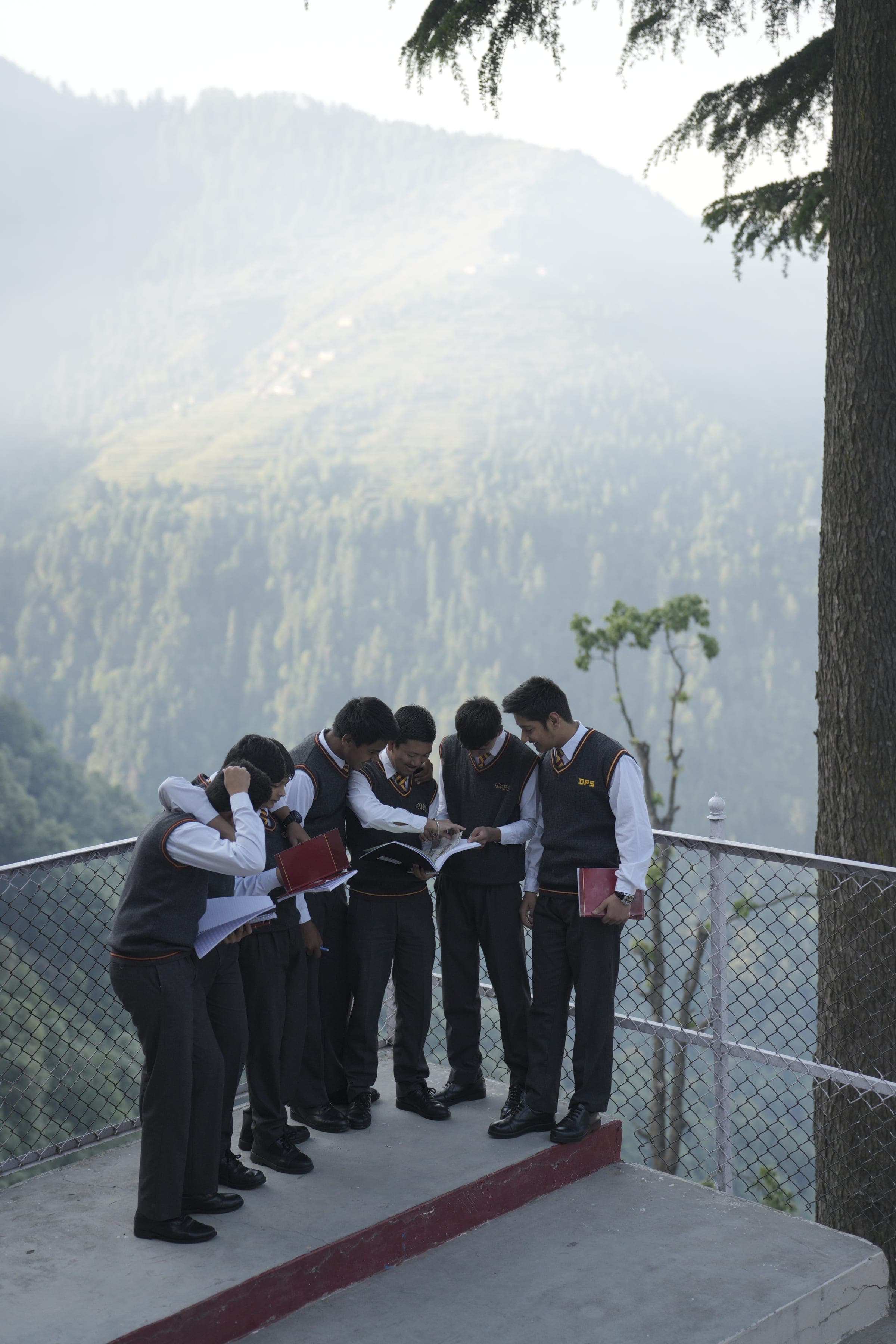

Dalhousie Competitive Edge
- Serious preparation. Without the second shift.
Academic diagnostics, concept strengthening, guided practice, testing, doubt support and mentoring help students prepare with greater direction.
Why Dalhousie
A better-designed childhood.
A child should not have to live separate lives for separate kinds of growth. Academics in one place. Preparation somewhere else. Sport squeezed into the week. Confidence left to personality. Independence left for later.
Dalhousie brings these parts of childhood back together - into a more complete environment designed to prepare the whole child for the whole future.
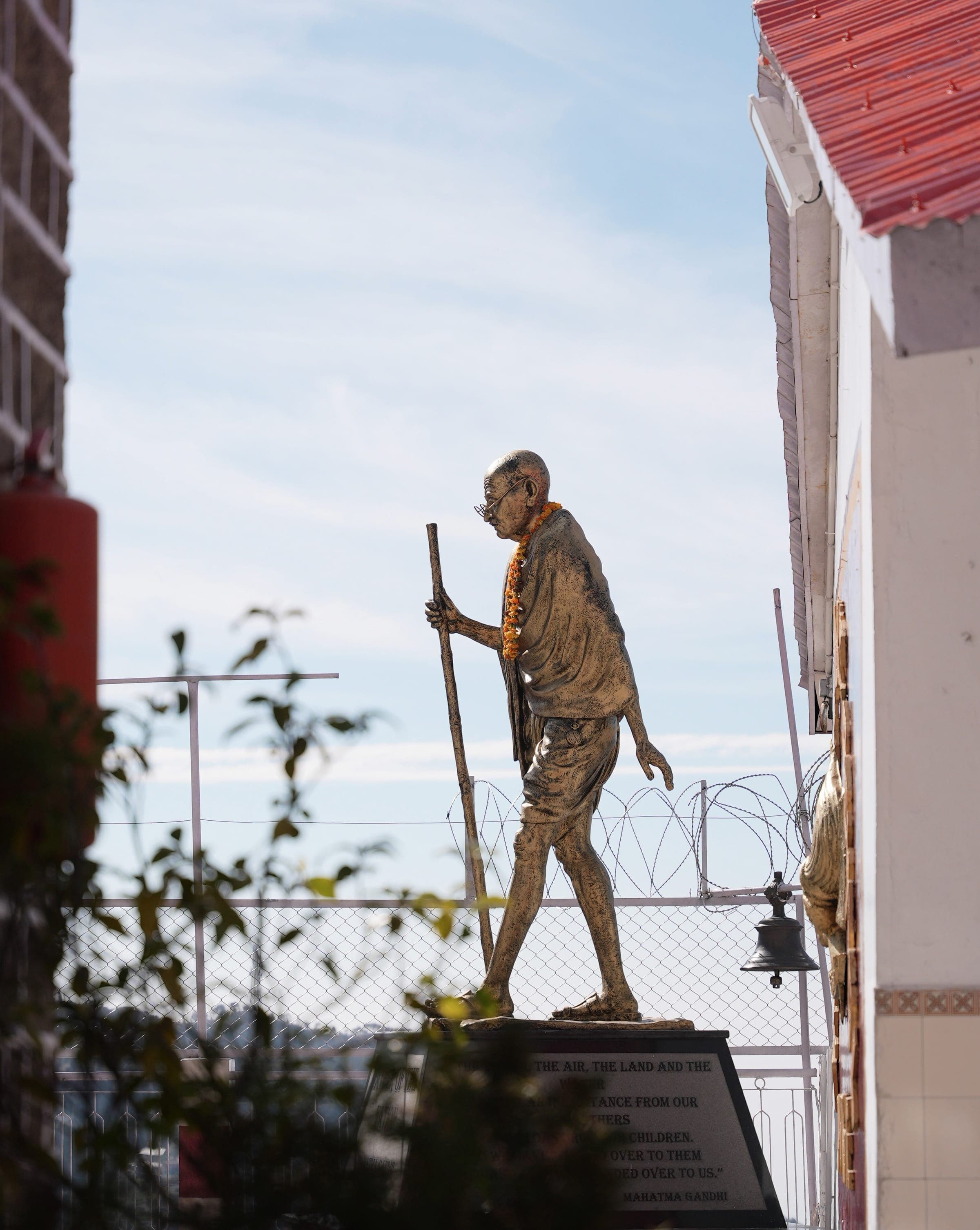
Parents should be able to see who their child is becoming.
Some of the most important growth in childhood does not appear in an examination score. Dalhousie's approach is built around making more of this progress visible.
Academic progress remains central. But it sits alongside a wider view of the child.
What is the child understanding, learning, strengthening and preparing towards?
Is the child becoming stronger, more active and more resilient?
Are they becoming more willing and able to express themselves?
Are they learning to organise themselves, contribute and follow through?
Can they make increasingly mature everyday decisions?
What are the adults who know the child noticing about their development?
Together, these dimensions allow parents to look beyond a single number and understand a larger journey.
The Dalhousie Preparation System
The Dalhousie Preparation System gives structure to the different dimensions of the child's growth.
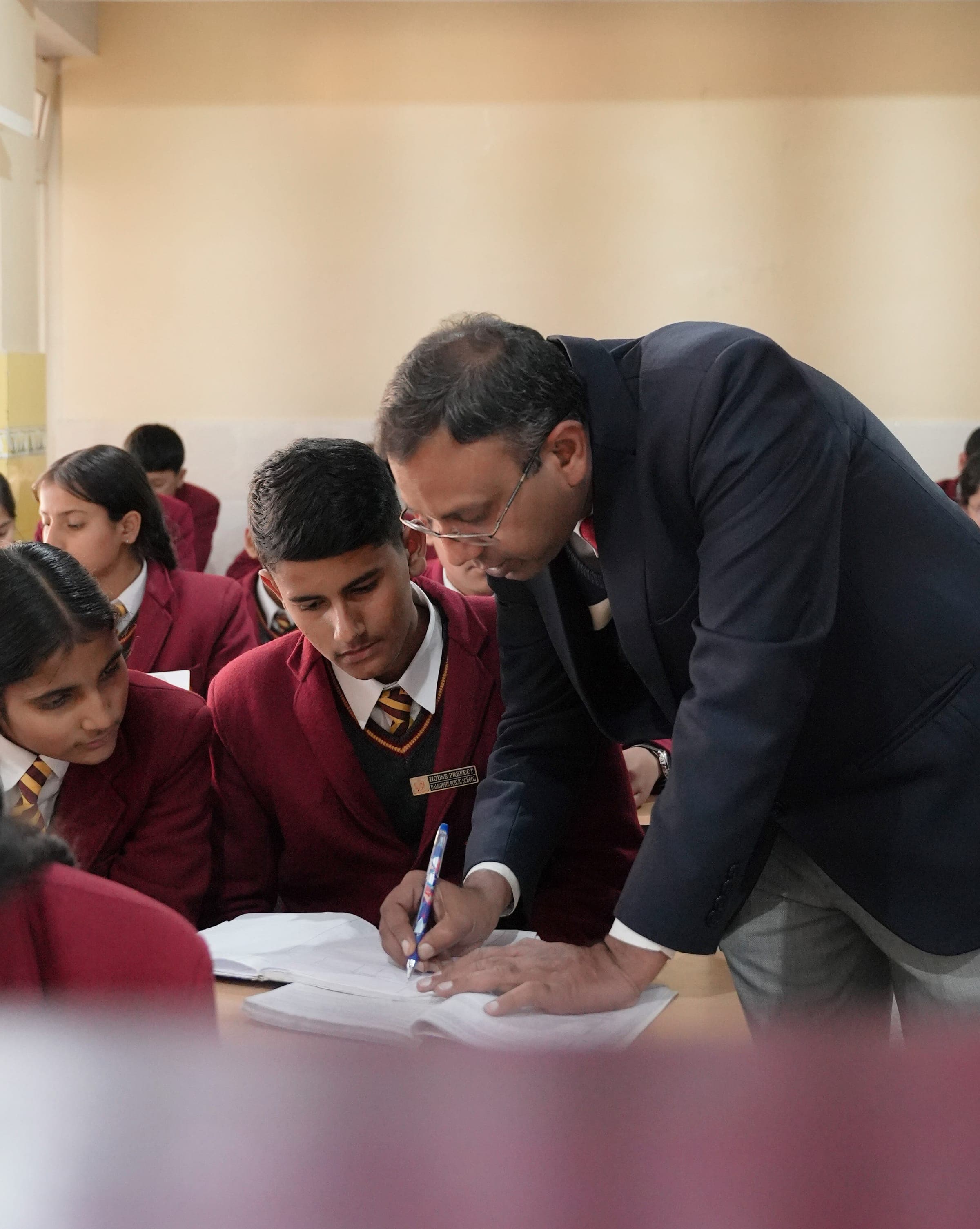
Academic diagnostics, concept strengthening, guided practice, testing, doubt support and mentoring help students prepare with greater direction.
Discipline. Fitness. Awareness. Communication. Bearing. Teamwork. Service. The pathway begins with the making of the person before focusing only on the examination.
Fitness, teamwork, competition and resilience help every child become physically stronger and more comfortable with challenge.
Speaking, performance, persuasion, presentation and leadership are practiced rather than left to chance.
Self-management, digital discipline, practical judgement, service, responsibility and decision-making become part of the child's growth.
Routine, house life, mentoring, shared responsibilities and everyday decisions create the conditions in which independence can grow.
Academic progress, fitness, confidence, responsibility, residential growth and character come together to give parents a fuller view of development.
The first six build the child. The seventh makes the growth visible.
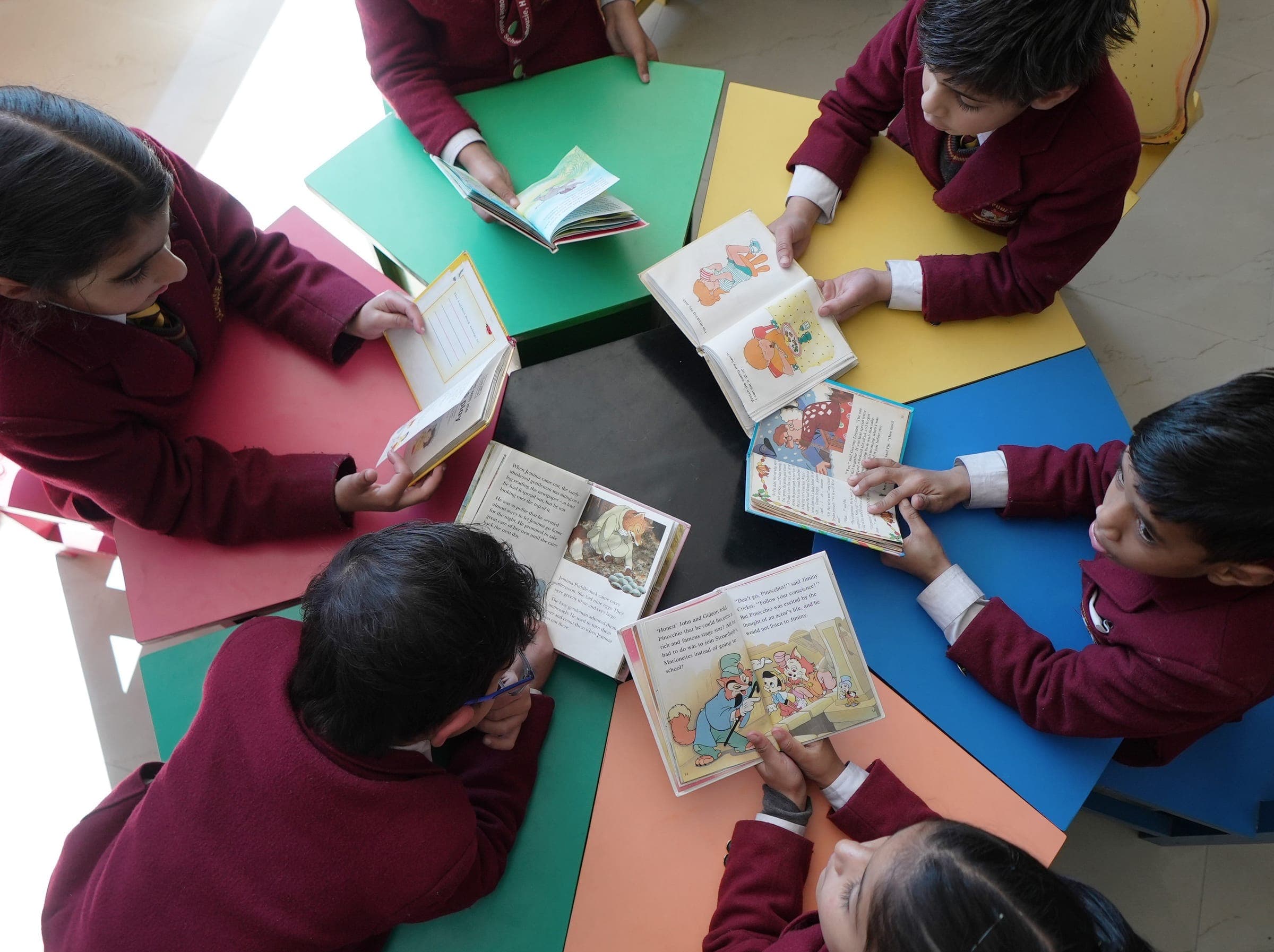
The problem is not a lack of opportunity. It is that everything happens separately. The result can be a childhood that is full, but fragmented. Your child should not need two lives to prepare for one future. Dalhousie does not reject ambition - it brings ambition into a more complete system, one in which preparation can sit alongside fitness, confidence, responsibility, relationships and rest. Serious preparation remains. The second life does not have to.
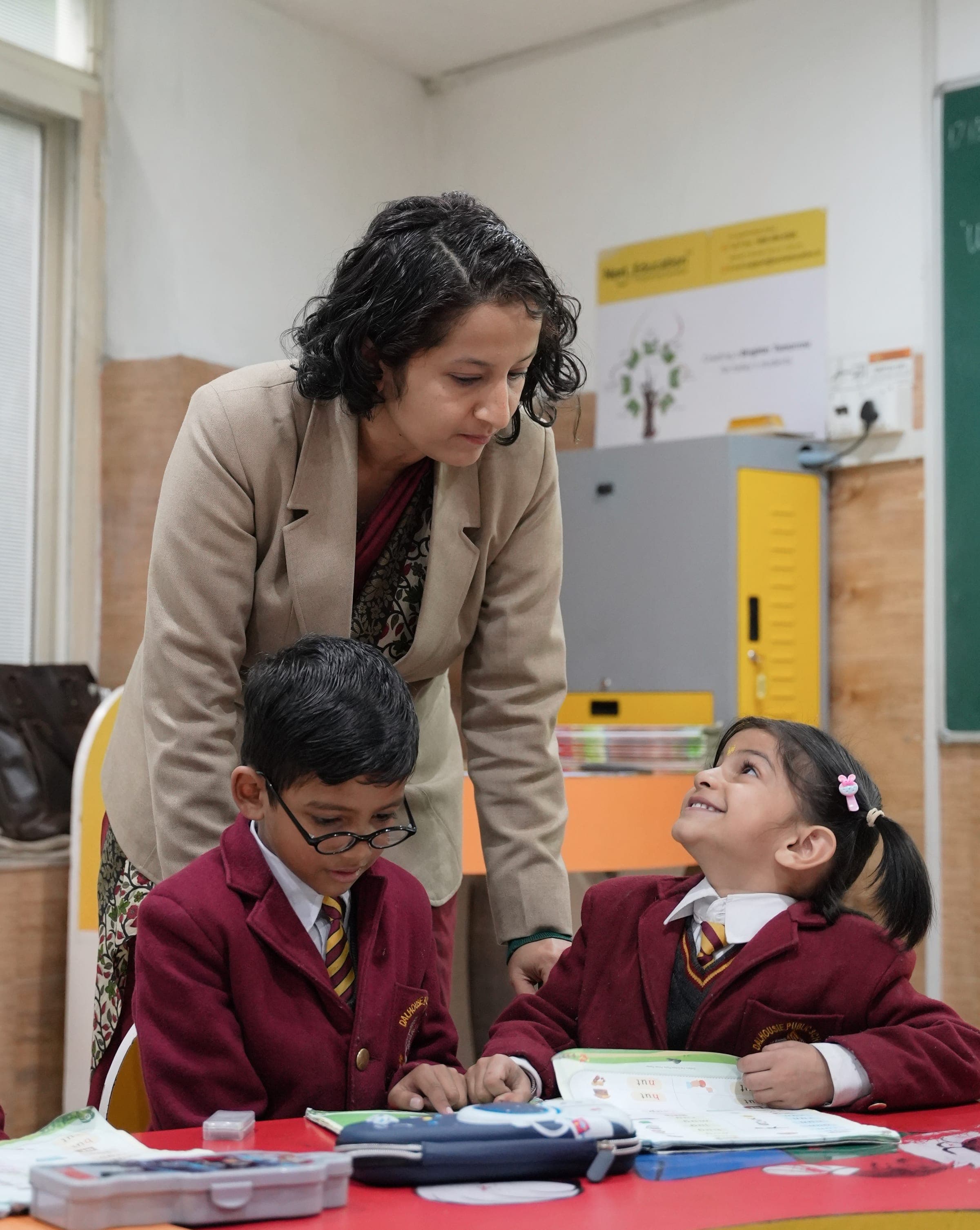
Growth works better when the parts work together. At Dalhousie, academics are connected to preparation. Sport is connected to resilience. Speaking and performance are connected to confidence. House life is connected to belonging and responsibility. This is the Dalhousie difference. Not more disconnected programmes. A more connected childhood.
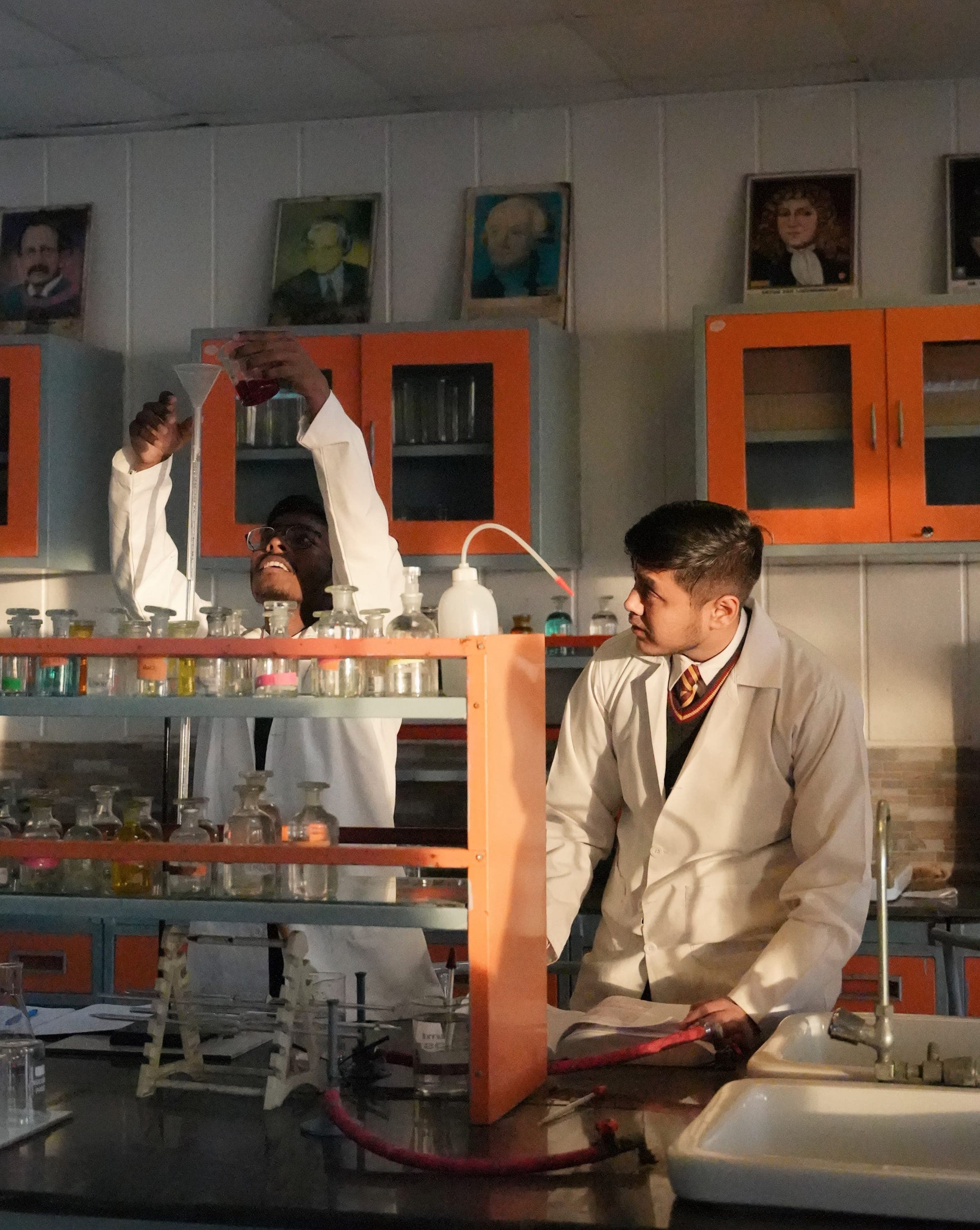
The difference is visible in how the day is lived. A philosophy matters only when a child can experience it. The Dalhousie Day gives the whole-child promise a daily rhythm - morning routines develop self-management, classrooms build academic foundations, sport develops strength and resilience, and residential care creates security while independence grows.
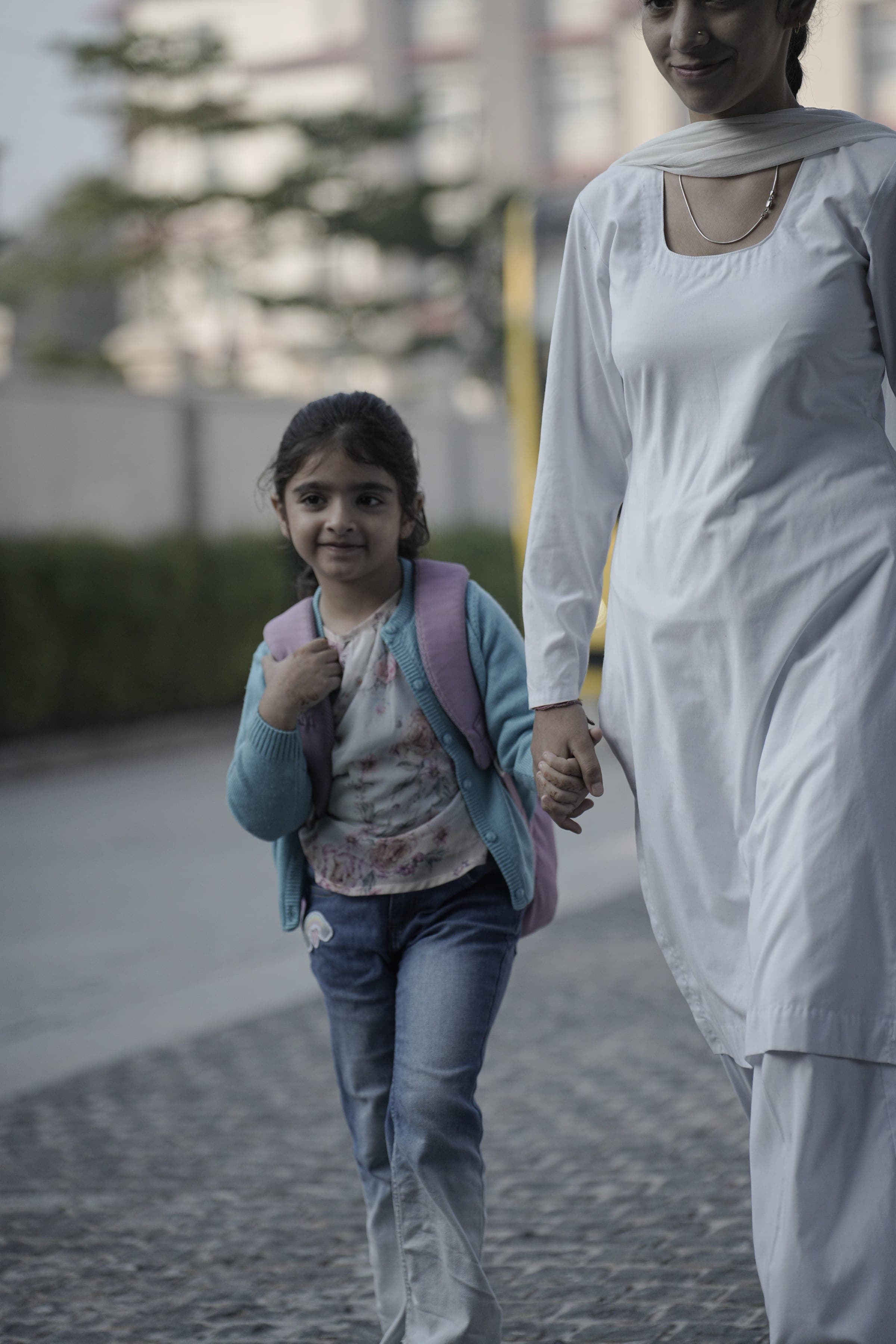
Children become independent because they are supported while learning how. Dalhousie does not confuse independence with leaving children to manage alone. Teachers, mentors, house parents and pastoral teams remain close enough to notice when guidance is required. Dalhousie aims to create the space between the two - where children can try, make mistakes, receive guidance and try again.

The two Dalhousie campuses are not better and lesser versions of the same school. They are two expressions of one philosophy. The choice is not about which campus is better. It is about which environment is the better fit for your child and family.
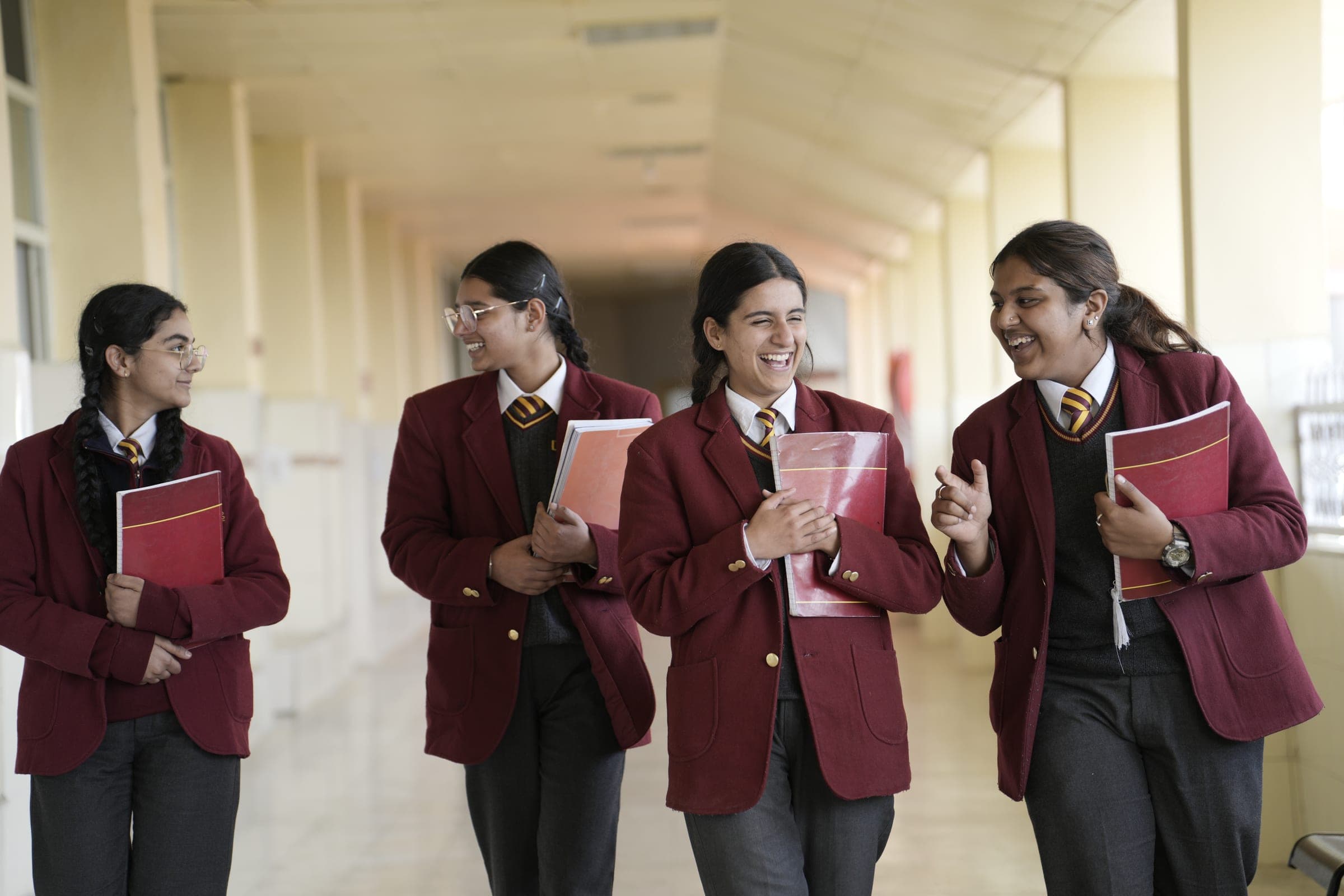
The difference appears in small moments repeated over time. A child who once avoided the stage raises a hand. A disagreement in the house becomes an opportunity to listen and adjust. These moments rarely arrive with certificates. But together, they become confidence, discipline, resilience and character. That is why Dalhousie looks beyond what a child achieves. It pays attention to who the child is becoming.
A philosophy becomes clearer when you see it being lived. Walk through the classrooms. See the rhythm of the day. Watch children participate in sport, preparation and school life. Meet the people who will teach, guide and support your child. The Dalhousie Difference is not meant to exist only in words. It should be visible in the experience.
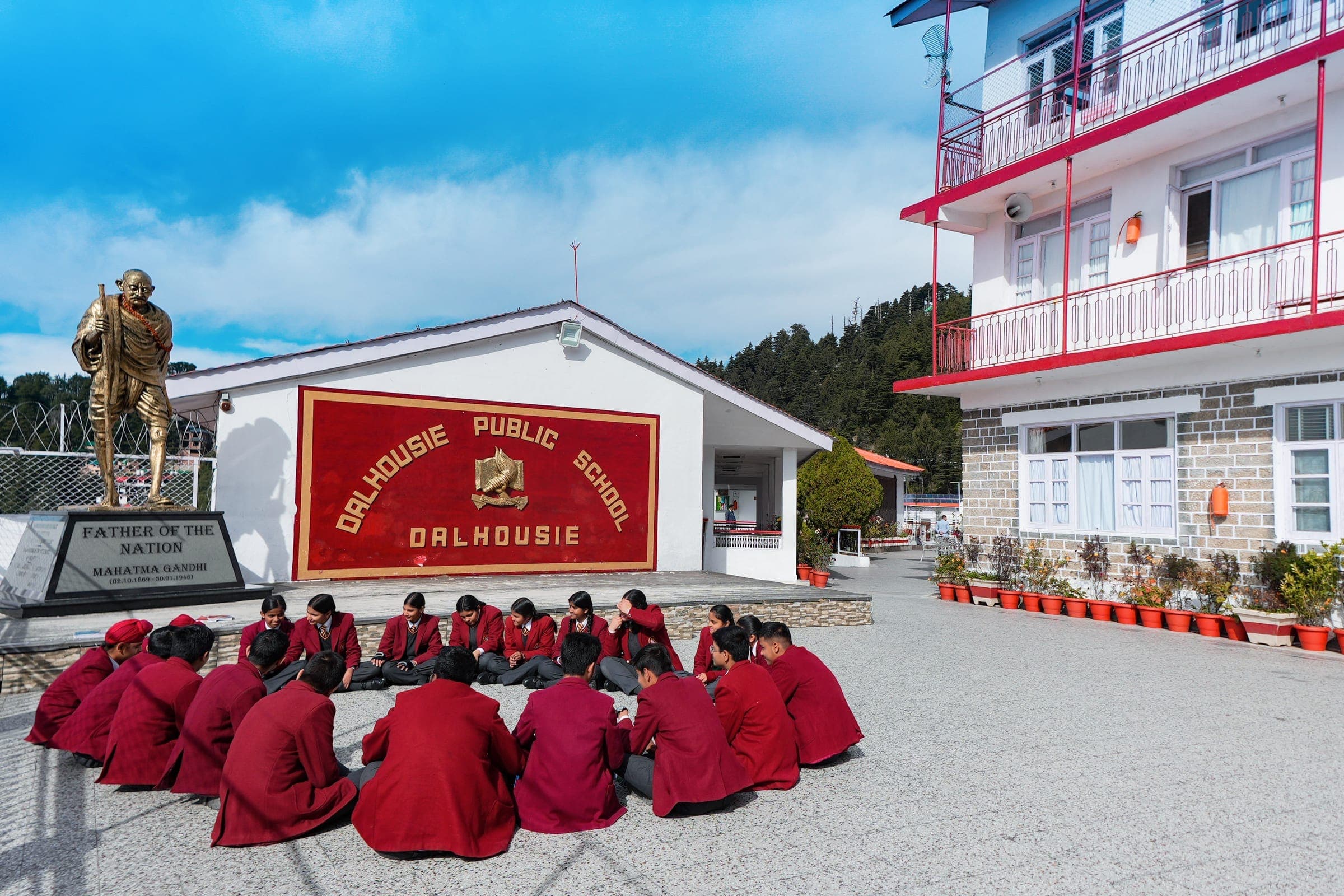
The Dalhousie Difference in pictures
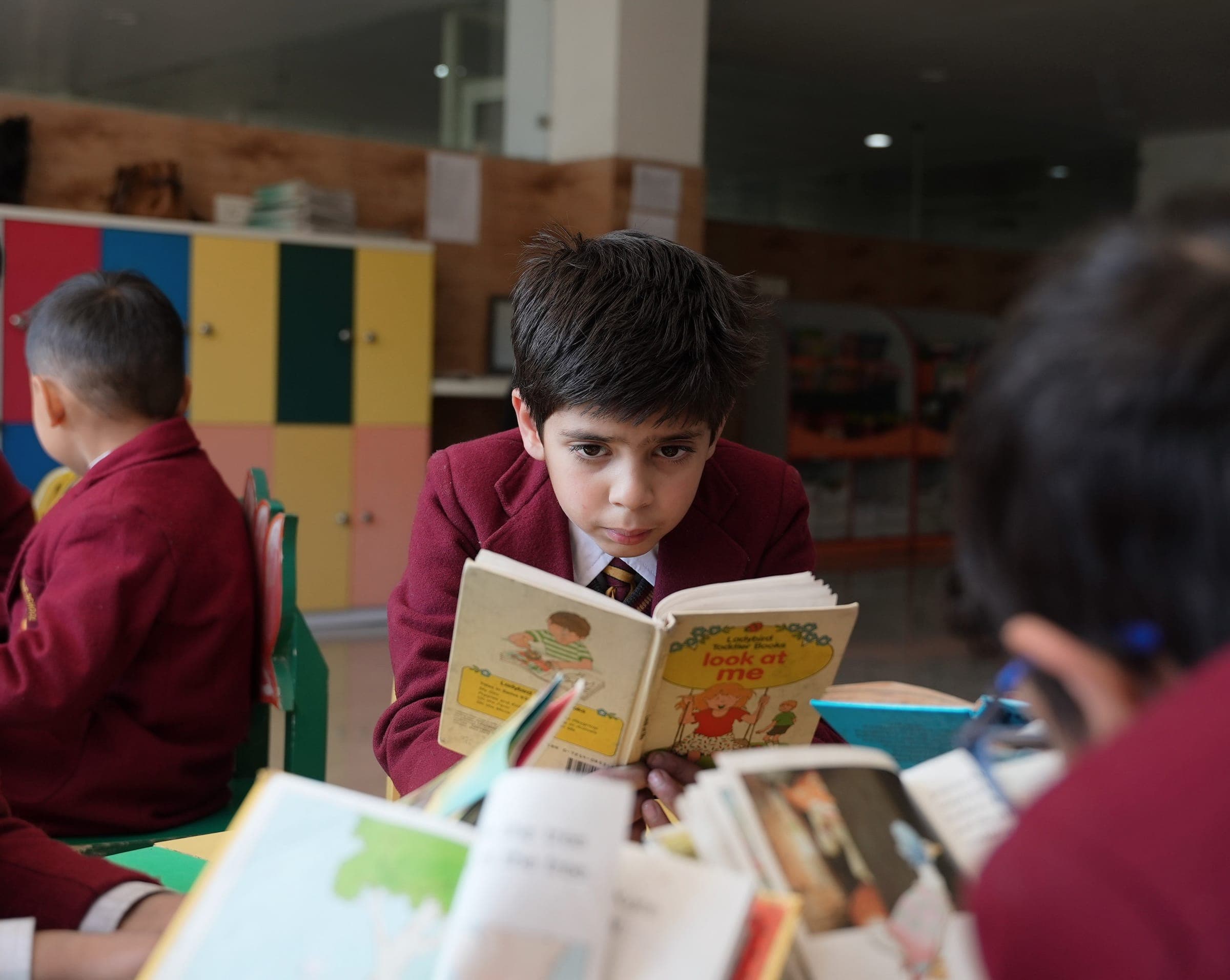
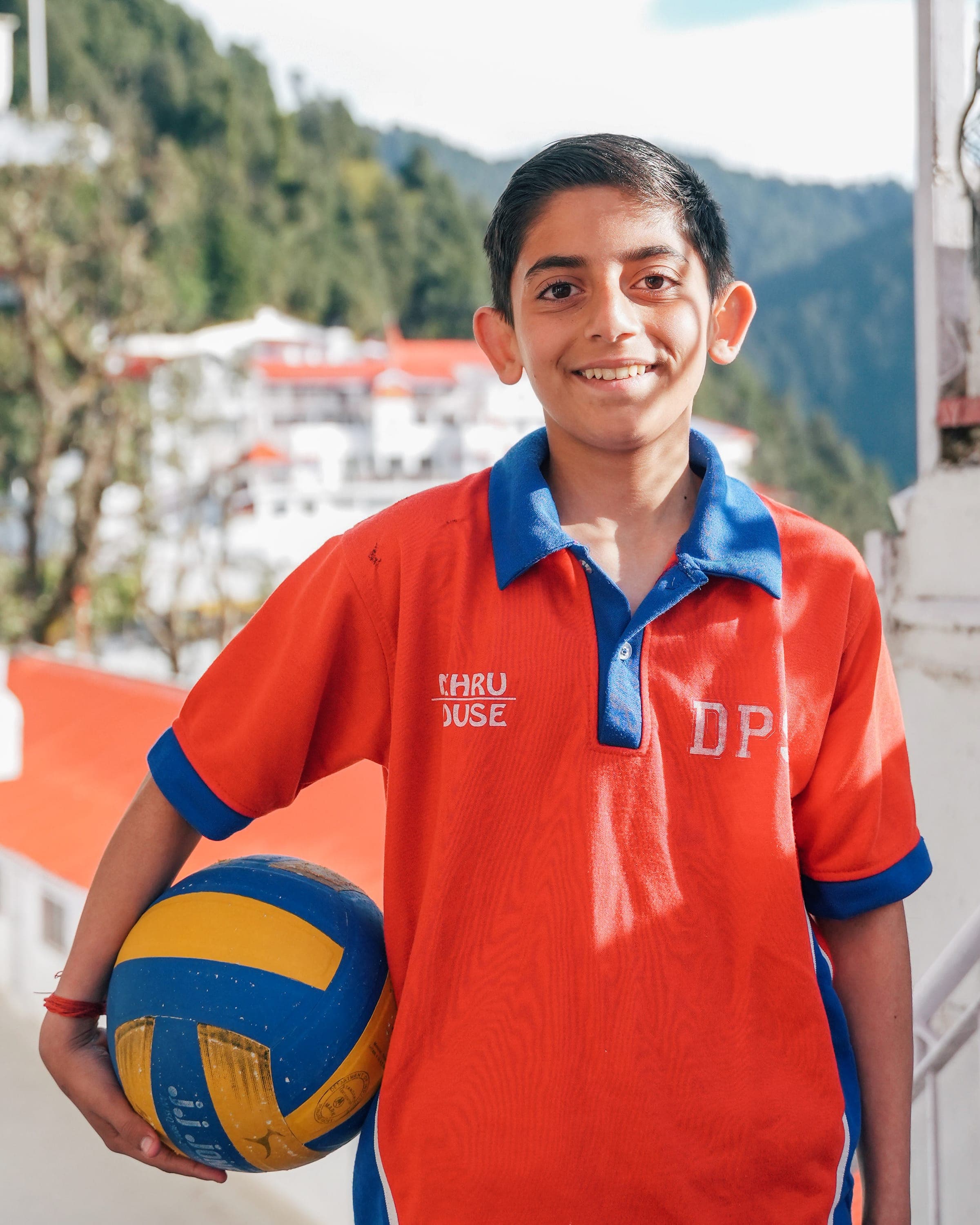
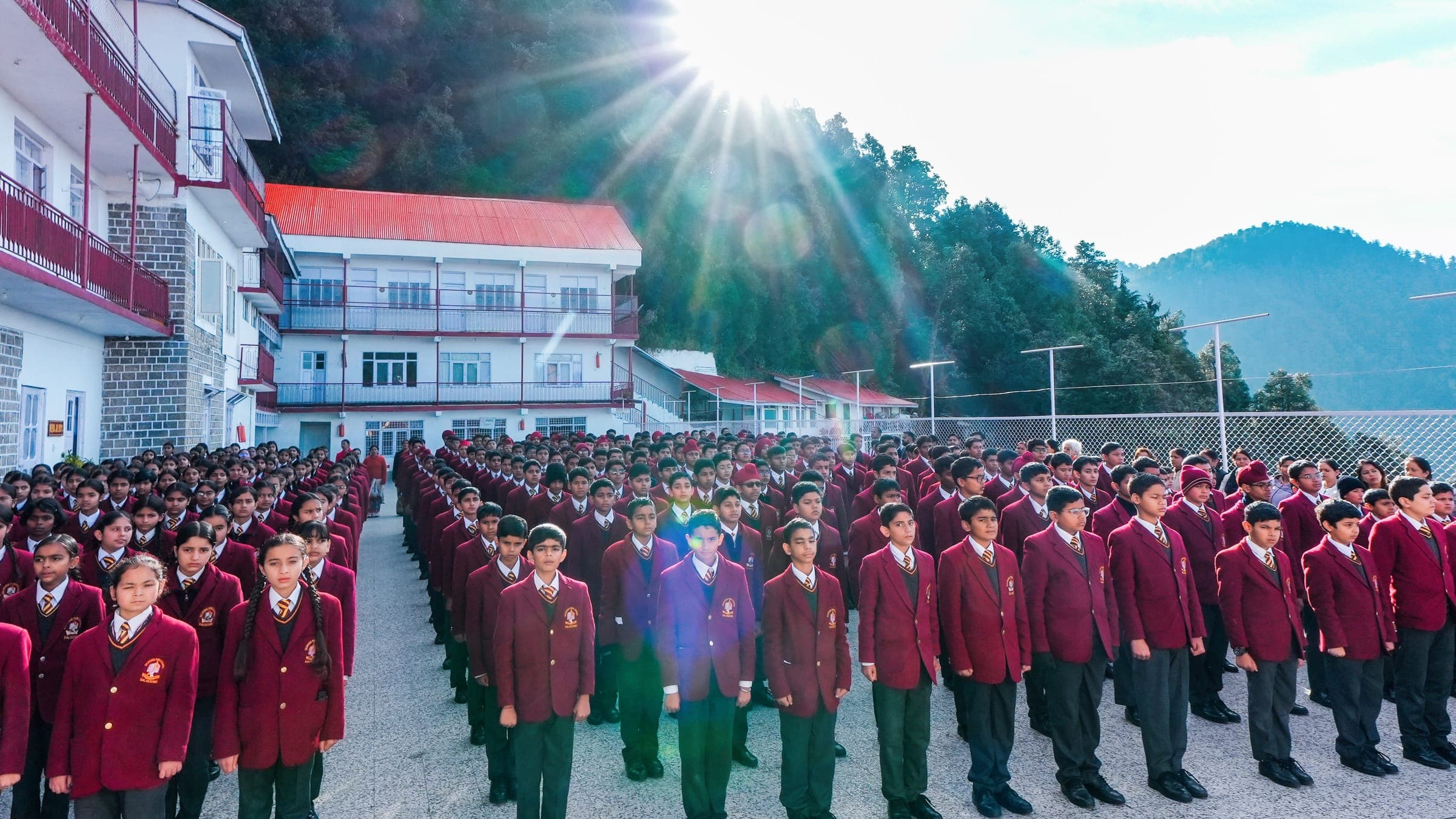
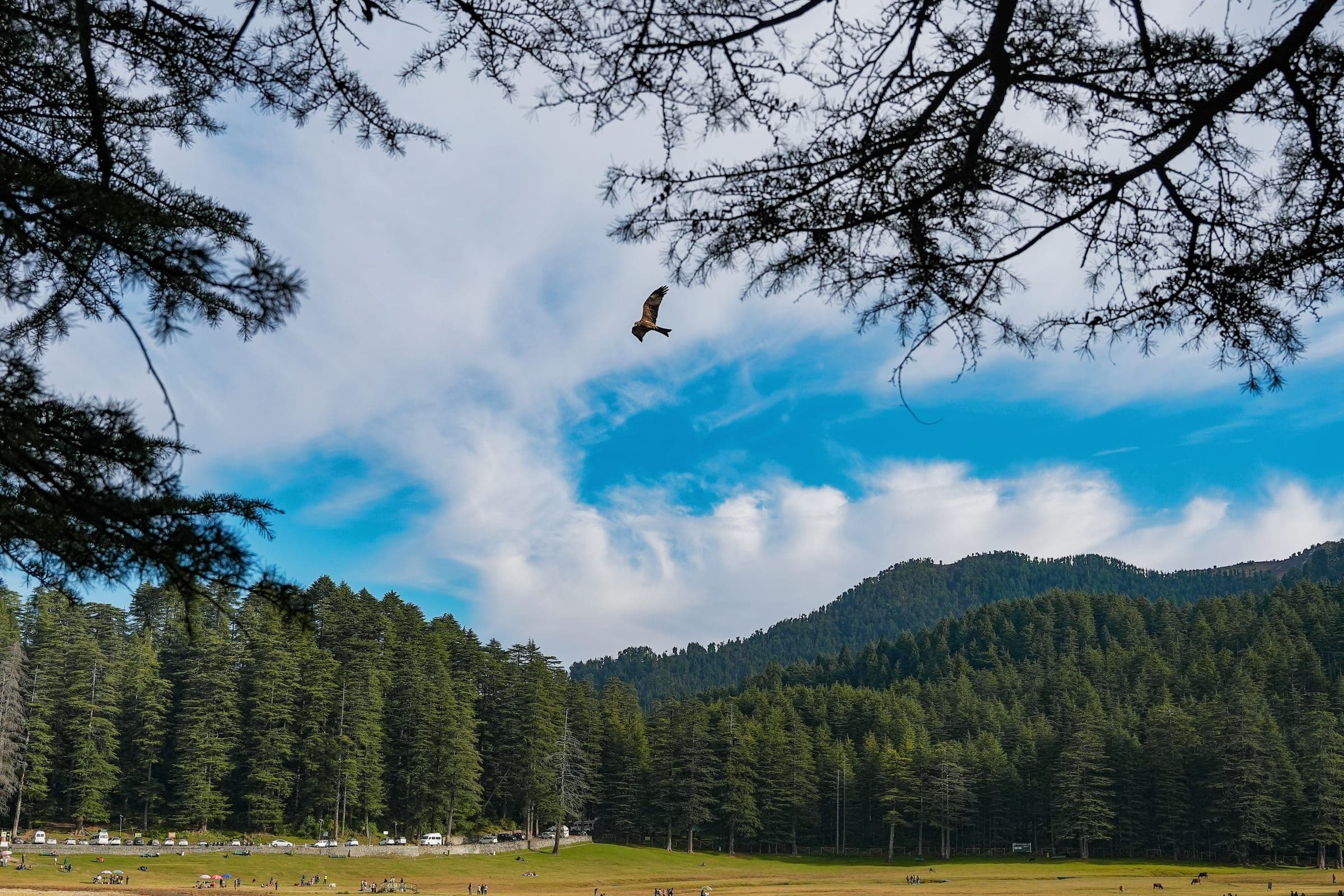
The difference, on film
What the school builds in a child shows up in how they move through a day. These are the moments the words are describing.
4 films