

Every stage prepares the childfor what comes next.
From curiosity to readiness
The academic journey at New Chandigarh changes as the child grows. The youngest children need movement, care and discovery. Primary learners need strong foundations and curiosity. Middle School students need confidence and emerging direction. Senior students need clearer choices and serious preparation.
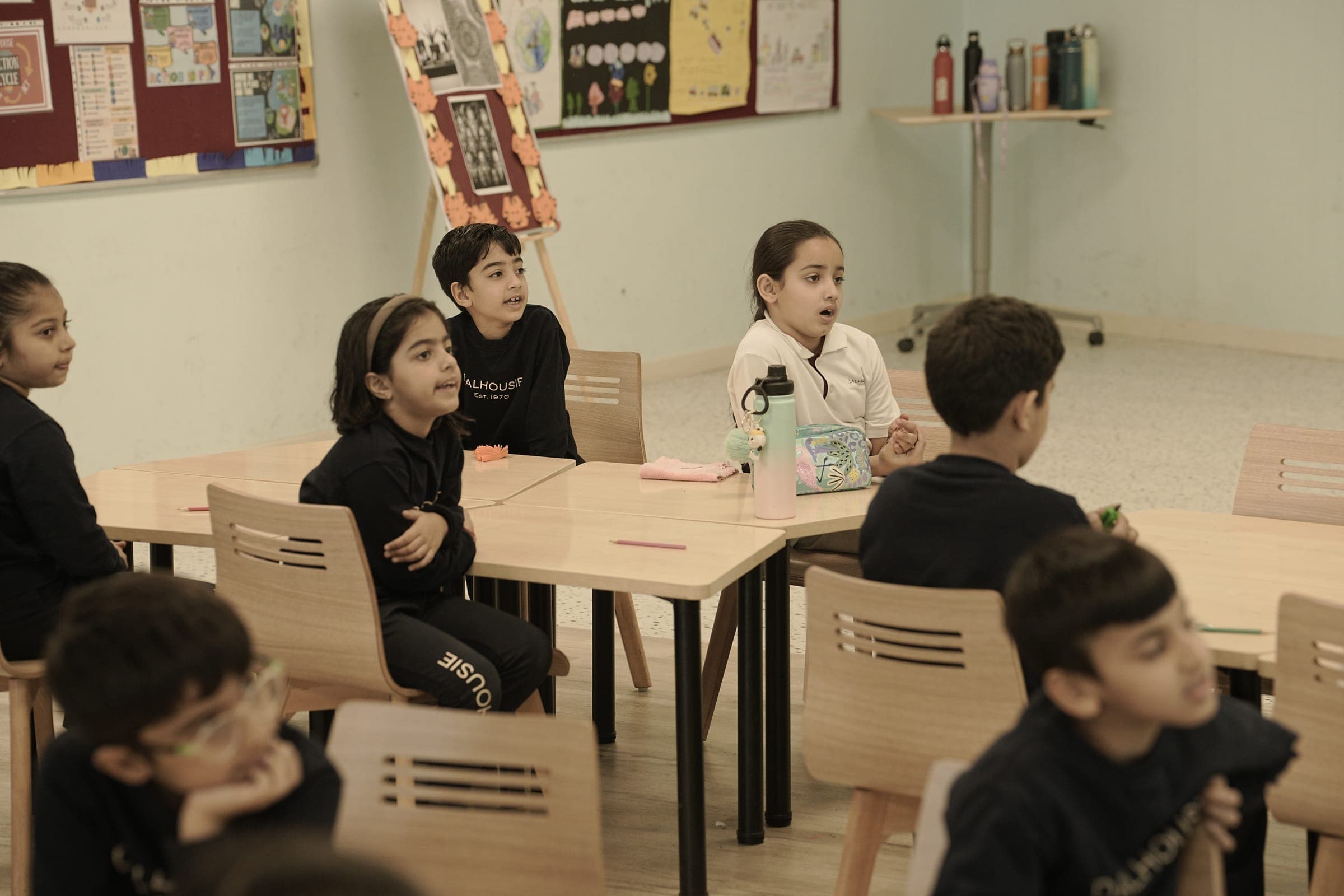
One connected journey rather than a series of disconnected stages.
The stages are designed to build on one another. Curiosity becomes understanding. Understanding builds confidence. Confidence supports choice. Choice creates direction.
The level of academic challenge changes as the child grows, but the Dalhousie commitment to confidence, care, responsibility and the whole child remains consistent.
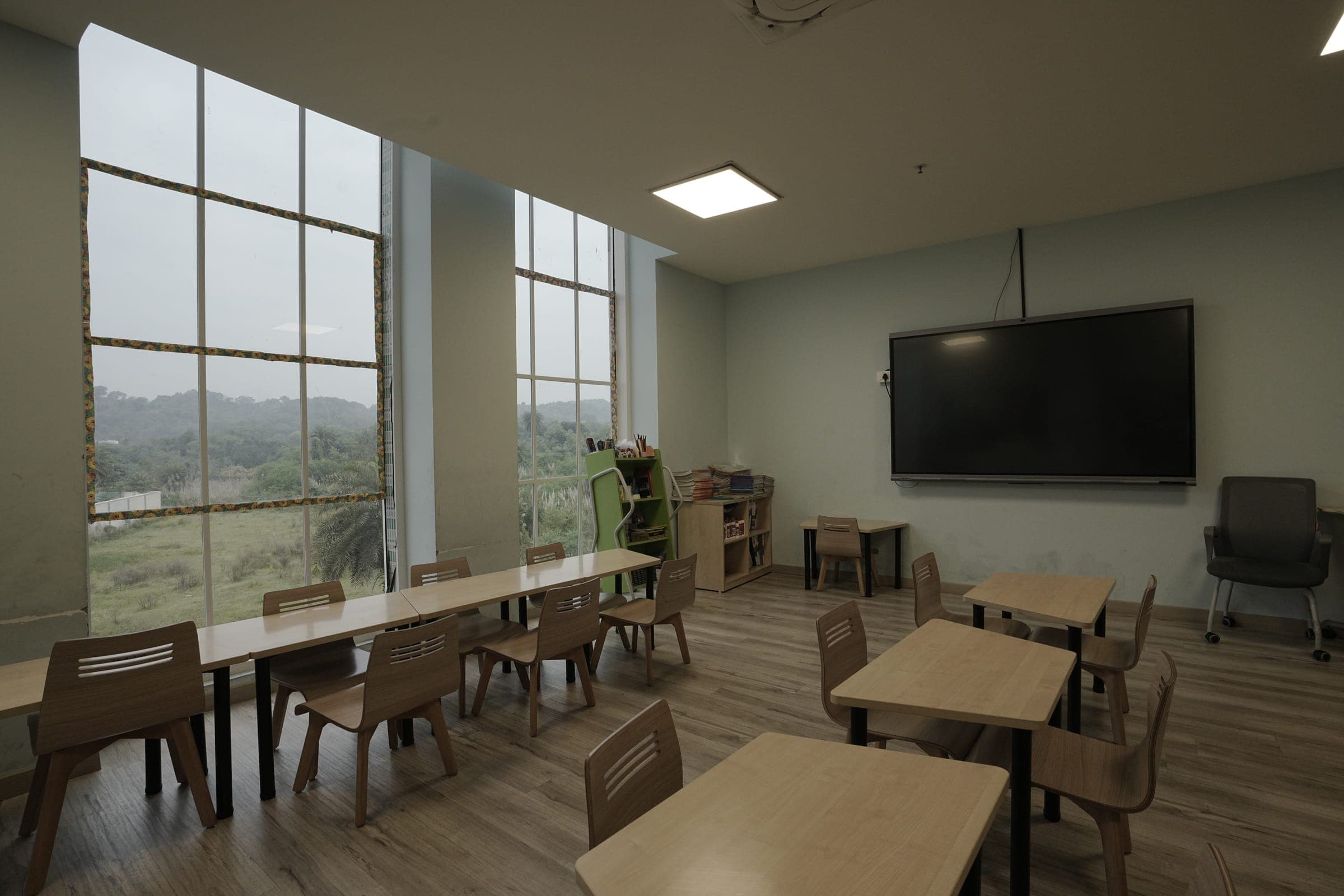
Toddler & Early Years
Movement, rhythm, play and discovery. The earliest stages create security first. Children learn through movement, sensory exploration, relationships, play and language while gradually becoming comfortable participating within a group.
The goal is not to push formal academics earlier, but to build the confidence and foundations from which future learning can grow.
Primary Years
Inquiry, thinking and connection. The Primary Years strengthen literacy, numeracy and conceptual understanding while preserving curiosity.
Children learn to ask questions, connect ideas, communicate what they understand and participate with greater confidence.
Where this leads
Each stage prepares the next. Ask us which one your child would be entering.

Middle School
Foundation, confidence and pathway readiness. Middle School introduces greater subject depth alongside stronger study habits, self-management and wider awareness of future possibilities.
Students begin recognising interests and strengths without being forced to make final decisions too early.
Senior School
Direction, discipline and serious preparation. Senior School brings academic choices, board readiness, mentoring and future pathways into sharper focus.
The student begins moving from broad possibility towards informed direction, supported by structured preparation and guidance.
Progress parents can understand
Assessment should help parents understand more than a score. It should show where the child is progressing, where support is needed and what they are ready for next.
As children grow older, academic reporting can sit alongside wider insights into confidence, responsibility, participation and readiness.
Progress parents can understand
See the difference for yourself.