

Learn to stand on your own,without standing alone.
Boarding is where children become
Residential life gives children something that cannot be created by a weekly class: the opportunity to practise independence every day. They manage time, studies, friendships, belongings, routines and responsibilities while living within a community that supports and guides them.

Preparation, not separation.
For parents, sending a child into residential life can feel like creating distance. For the child, the right residential environment can create a different kind of closeness: to friendships, mentors, responsibility and their own growing independence.
The purpose is not to remove the parent from the child's life. It is to help the child become increasingly capable when the parent is not physically beside them.
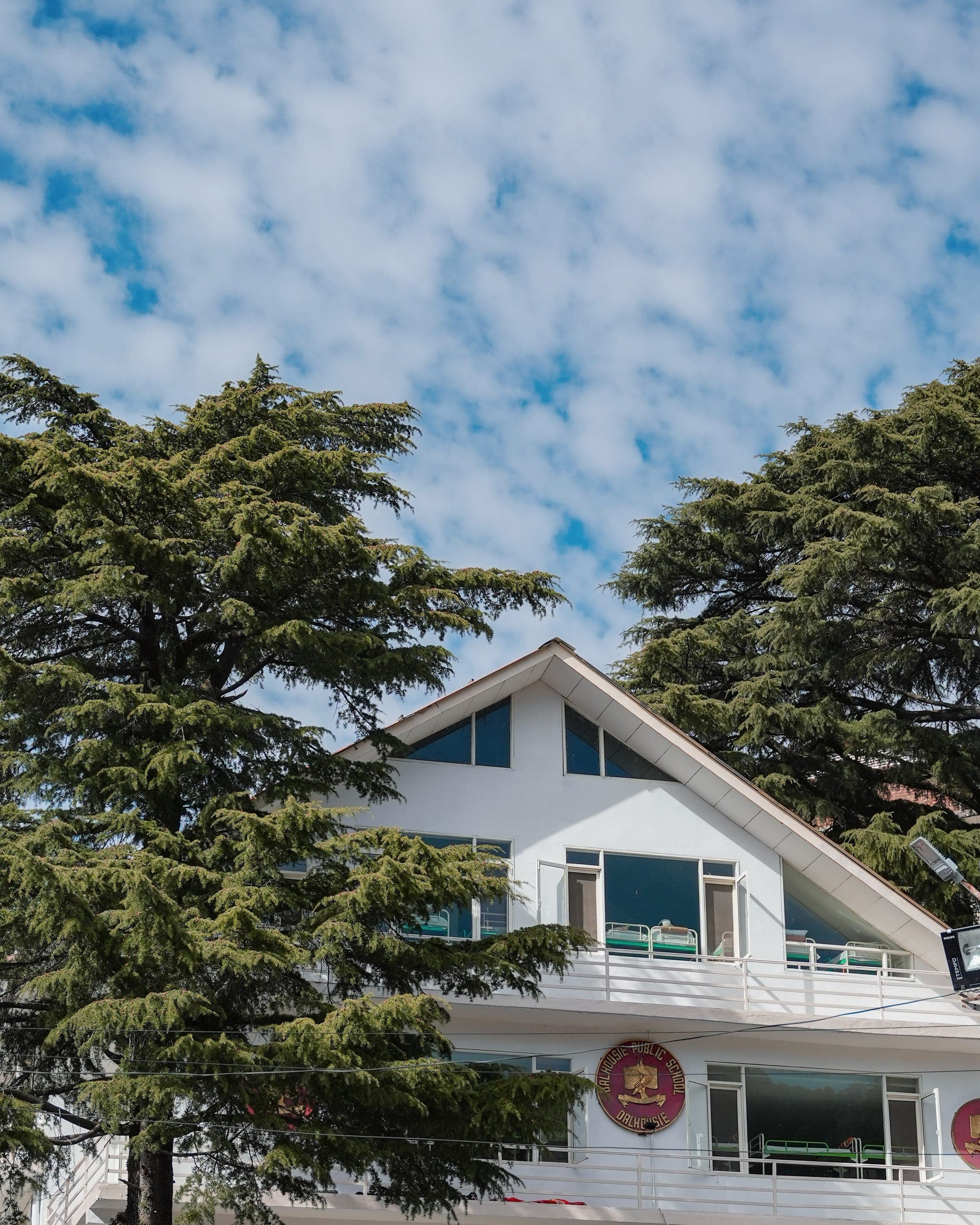
House parenting
Independence still needs adults. Children do not become independent because adults disappear. They become independent because adults gradually change how they support them.
House parents and mentors remain close enough to notice when guidance is required, while allowing children to take increasing ownership of everyday life.
Daily rhythm
Routine becomes habit. Waking. Preparing. Attending lessons. Participating in sport. Managing prep. Eating together. Looking after personal spaces. Going to bed ready for another day.
The rhythm of residential life turns repeated behaviours into habits.
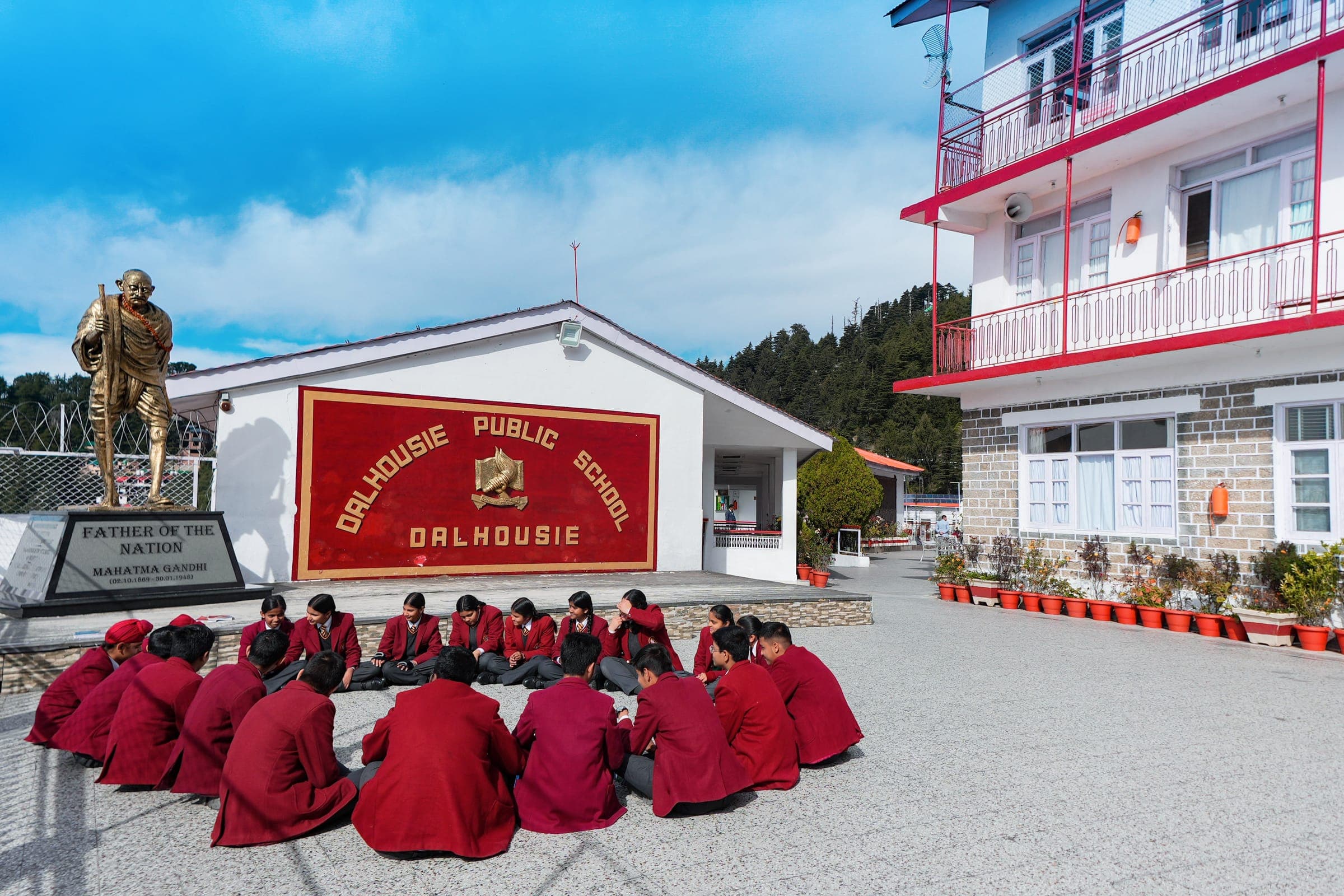
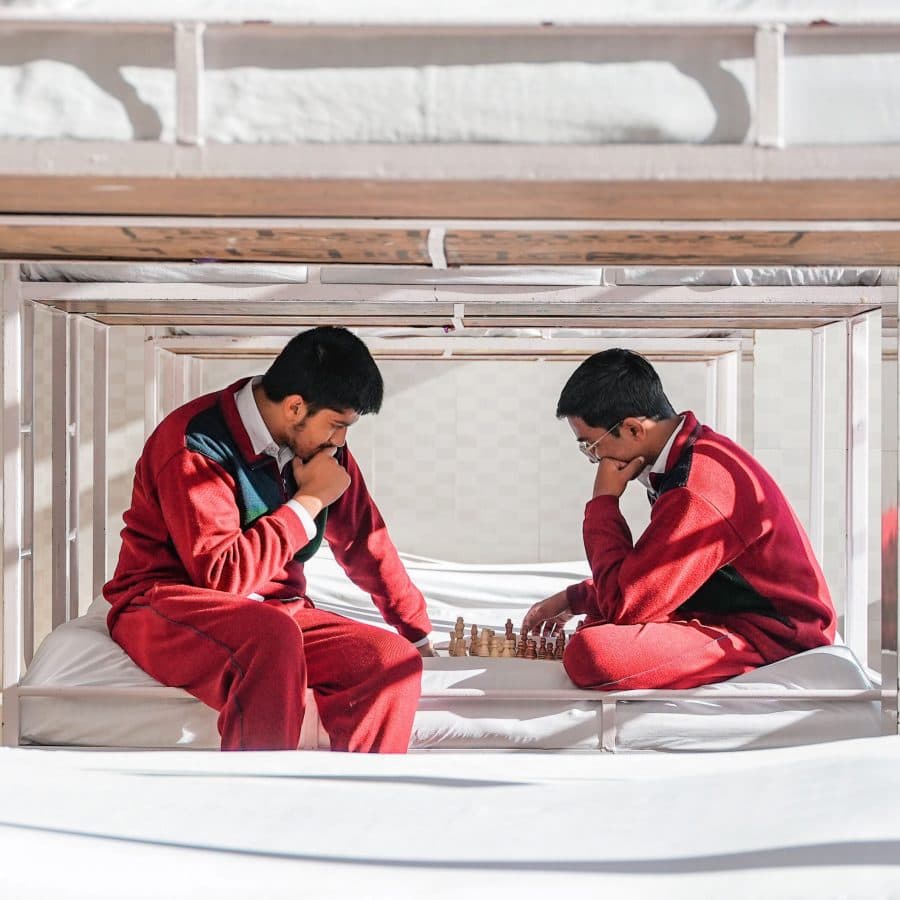
Dorm life
Shared spaces teach private responsibility. Living with others requires adjustment. Children learn to respect shared spaces, personal boundaries and different personalities.
They begin to understand that their own habits affect the people around them. That awareness is an important part of maturity.
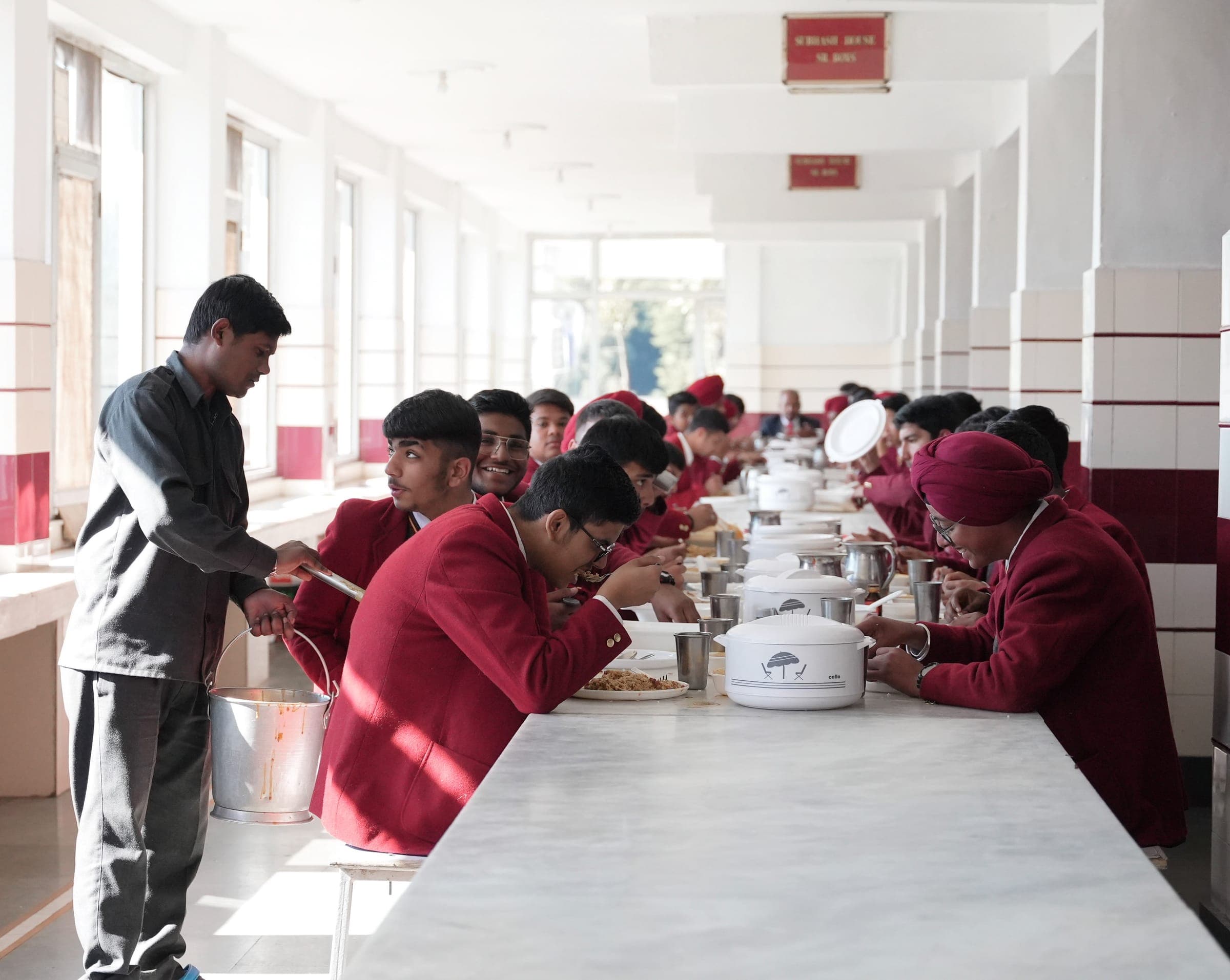
Dining & manners
The table teaches too. Shared meals create everyday opportunities to practise manners, conversation, consideration and patience.
Dining is not simply a logistical part of the residential day. It is part of community life.
Prep time
Learning becomes more independent. Structured prep gives children time to organise work, revisit learning and seek support where required.
Over time, they learn that academic preparation is increasingly their responsibility.
Where this leads
No photograph shows you a house. Meet the people who will know your child by name.
Mentor circles
Sometimes growth begins with a conversation. Children need adults who can help them interpret what they are experiencing.
Mentor conversations allow them to reflect on challenges, friendships, academics, decisions and progress. Guidance helps independence become more thoughtful.
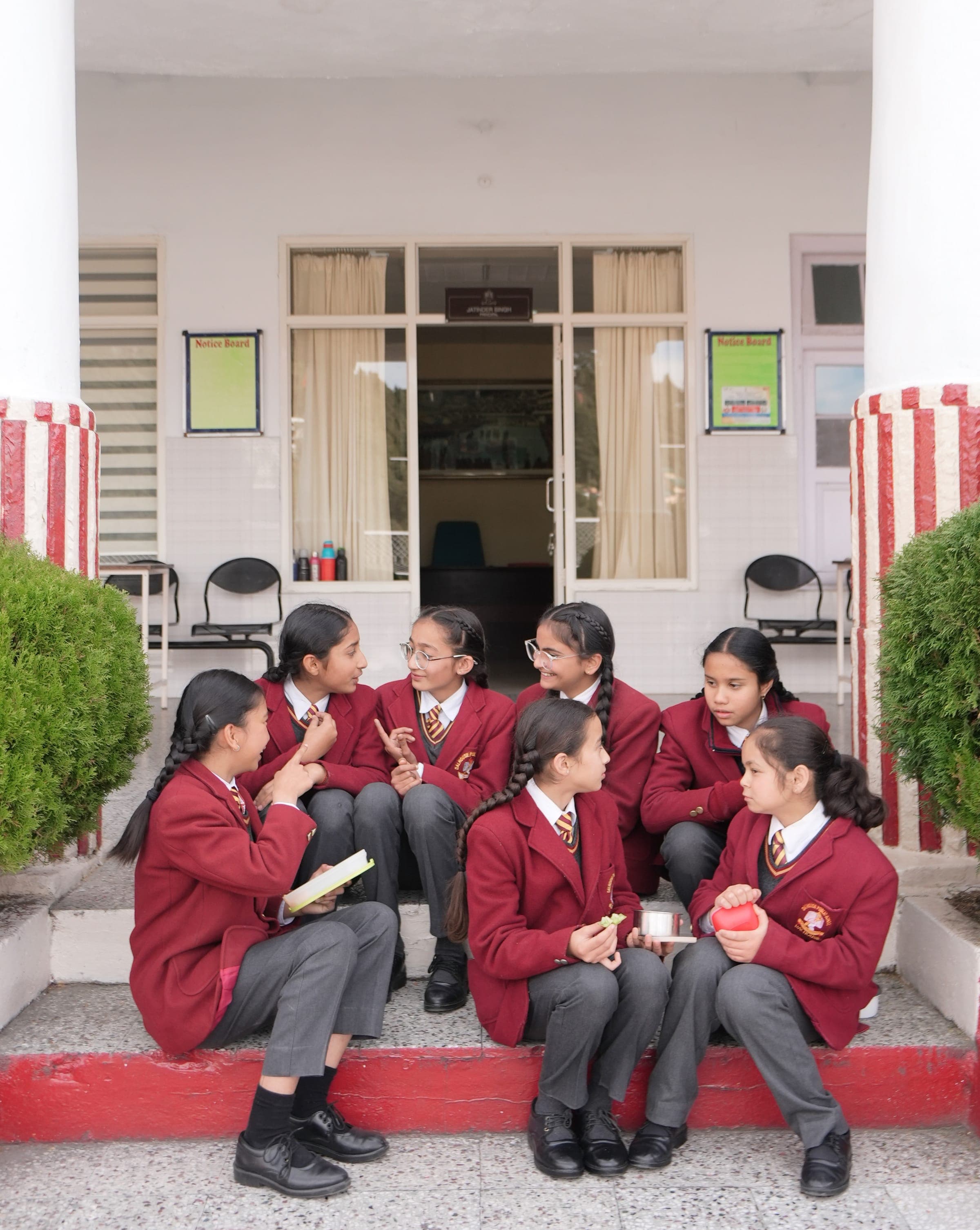
Weekend life
Residential life is more than school continuing for seven days. Weekends create a different rhythm. Sport. House activity. Friendships. Recreation. Reflection. Time to recharge.
These less formal moments often become some of the richest parts of community life.
Emotional care
Growing independently does not mean never needing help. Homesickness. Friendship difficulties. Academic pressure. Uncertainty. Bad days. These are part of growing up.
Pastoral care ensures children have trusted adults and clear support when they need it. The objective is not to remove every difficulty. It is to make sure the child does not face it alone.
Parent communication
Independence for the child should not mean uncertainty for the parent. Parents need clarity about how their child is settling, learning and growing.
Communication should help families understand more than marks. How is the child managing routines? Are they participating? Are they building relationships? Where are they becoming more independent? Where do they still need support?
The Dalhousie Growth Note
Residential growth should be visible. The Growth Note provides a way to capture the changes that residential life can build over time: independence, participation, responsibility, relationships, self-management and mentor observations.
It helps make the everyday growth of residential life easier for parents and students to recognise.
What children gradually learn
To wake up without being chased. To look after what belongs to them. To share space. To follow through on commitments. To ask for help. To manage friendships. To respond after a difficult day. To contribute to a community. To make more decisions for themselves.
These may appear like small things. Eventually, they become adulthood.
A home that prepares children for the world.
Residential life works when care and independence grow together. Children are supported enough to feel secure. Challenged enough to grow. And trusted enough to discover what they are capable of doing for themselves.
Boarding is where children become.
A home that prepares children
See the difference for yourself.