
The things life demands, but mostschools forget to teach.
Preparing for the parts of life that do not come with a textbook
One day, children will have to manage their own time. Their money. Their devices. Their decisions. Their responsibilities. Their relationships. And the consequences of the choices they make. The Life Code begins developing these abilities before the child is forced to need them.
Independence is built, not announced.
Turning eighteen does not automatically create judgement. Responsibility develops through smaller responsibilities taken seriously over time.
A routine managed independently. A commitment remembered. A difficult decision thought through. A mistake acknowledged. A duty completed because someone else is depending on you. The Life Code makes these moments part of preparation.
Self-management
Learn to manage yourself before expecting to manage anything larger. Time. Belongings. Commitments. Preparation. Rest. Personal routines.
Children gradually take greater ownership of everyday life so that independence does not arrive as a sudden demand later.
Digital discipline
Use technology. Do not let technology use you. Devices are part of modern life. So is the responsibility to manage attention.
Children need to understand boundaries, online behaviour, digital judgement and the difference between using technology purposefully and being controlled by it.
Money & practical life
Everyday judgement matters. Age-appropriate exposure to money, value, practical responsibility and everyday decision-making helps children become more capable outside the classroom.
The goal is not early adulthood. It is growing practical awareness.
Service & citizenship
A good life is not lived only for oneself. Children belong to families, communities and a wider society.
Service helps them understand contribution, empathy and the responsibilities that come with being part of something larger.
Leadership by duty
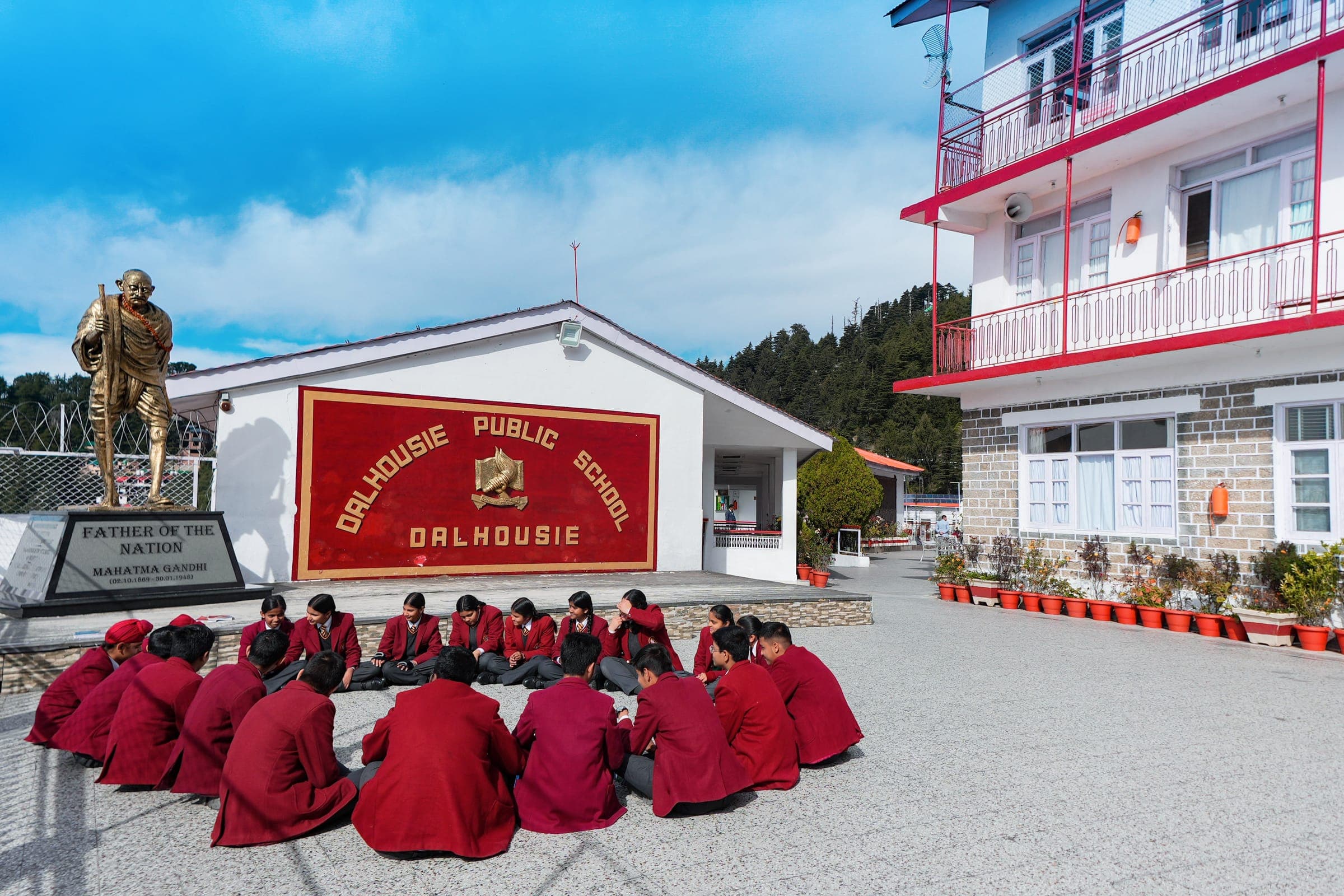
Responsibility comes before authority. Leadership is often associated with titles. The Life Code begins somewhere simpler. Can you be relied upon? Can you finish what you accepted responsibility for? Can others trust you to contribute?
Duty becomes the foundation before leadership becomes the role.
Resilience
Difficulty is not always a signal to stop. Children need opportunities to experience challenge without immediately being rescued from it. They learn to manage disappointment, reconsider an approach and try again.
Resilience is not hardness. It is the ability to recover without losing confidence in oneself.
Where this leads
Responsibility is taught by being trusted with it. See the day that does the trusting.
Decision-making
Better choices begin with better thinking. As children grow, adults should not have to make every decision for them.
Students gradually learn to consider consequences, ask for advice when appropriate and take greater ownership of the decisions they make.
The Dalhousie Responsibility Ladder
Responsibility should grow with the child. The Responsibility Ladder provides a progressive view of the things a child is increasingly ready to manage independently. The next step should stretch the child without overwhelming them.
Small responsibilities become habits. Habits become judgement. Judgement becomes independence.
The future will eventually stop reminding them.
Children will leave school. And life will expect them to manage themselves.
The purpose of the Dalhousie Life Code is to make sure that responsibility does not begin on that day. It begins here.
It begins here
See the difference for yourself.