

A better-designed school day for abetter-prepared child.
The Dalhousie experience
A child's day should not feel like a race between disconnected demands. The Dalhousie Day brings learning, preparation, movement, confidence, responsibility, care and rest into one more considered rhythm. Not to make the child busier. To make the day work harder for the child.
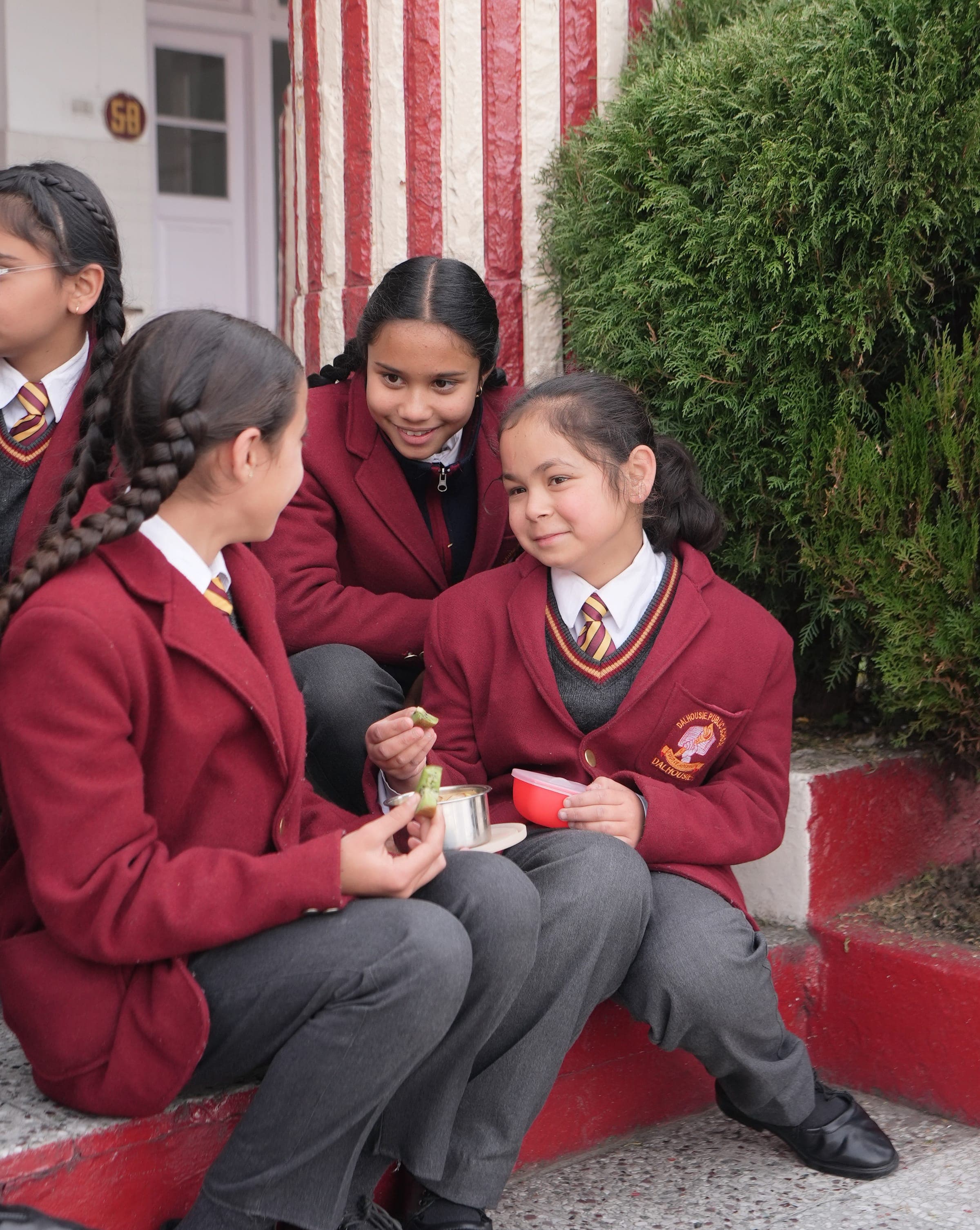
Every part of the day should build something.
A timetable tells you where a child needs to be. A designed day asks a more important question: what is this moment helping the child become?
Morning routines build self-management. Classrooms build knowledge and curiosity. Academic preparation builds focus and discipline. Sport builds strength and resilience. The stage builds confidence. House life builds responsibility and belonging. Mentoring builds reflection. Rest creates the space to begin again. Individually, these moments may appear ordinary. Together, repeated day after day, they begin to shape the person.
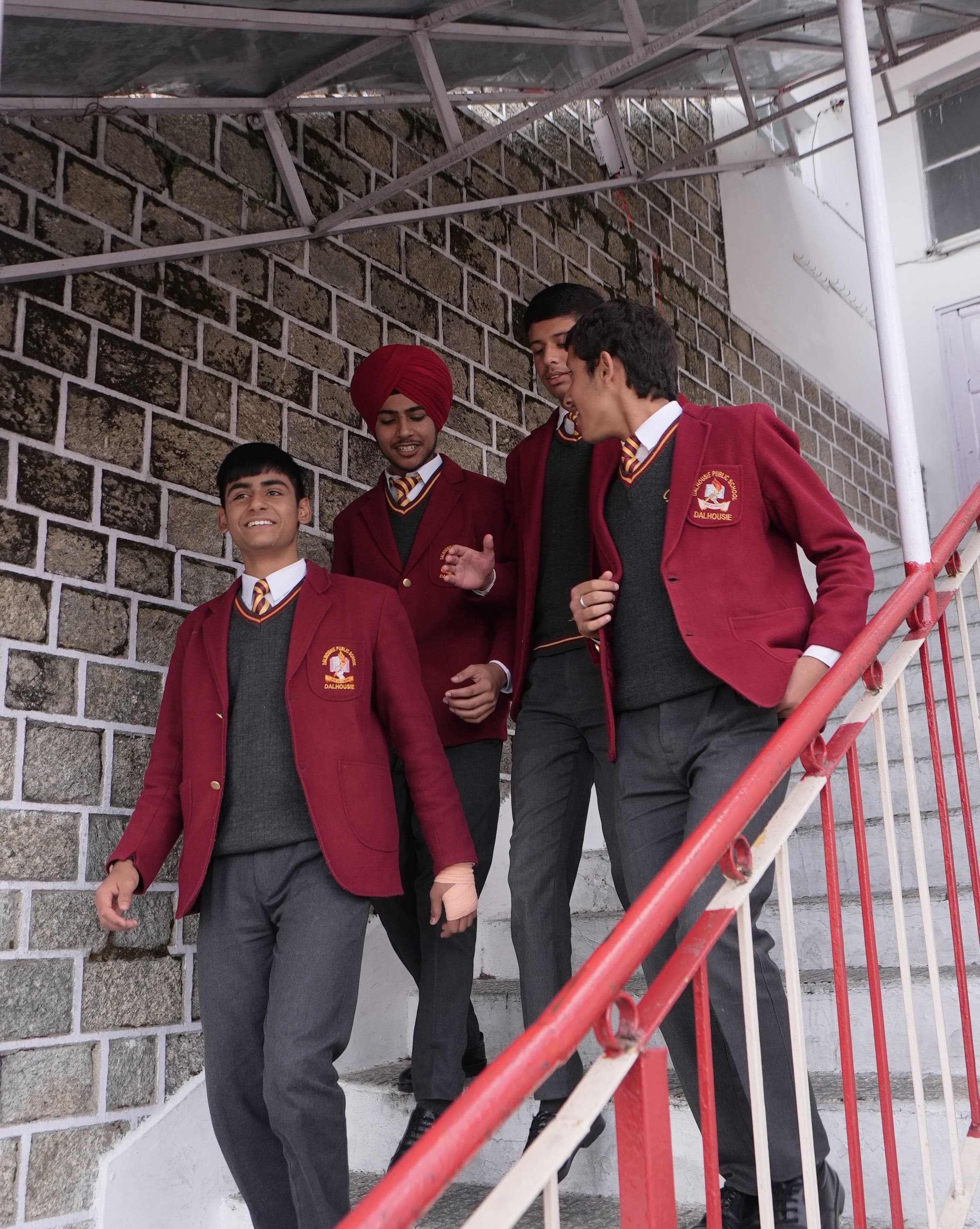
The day begins before the first lesson.
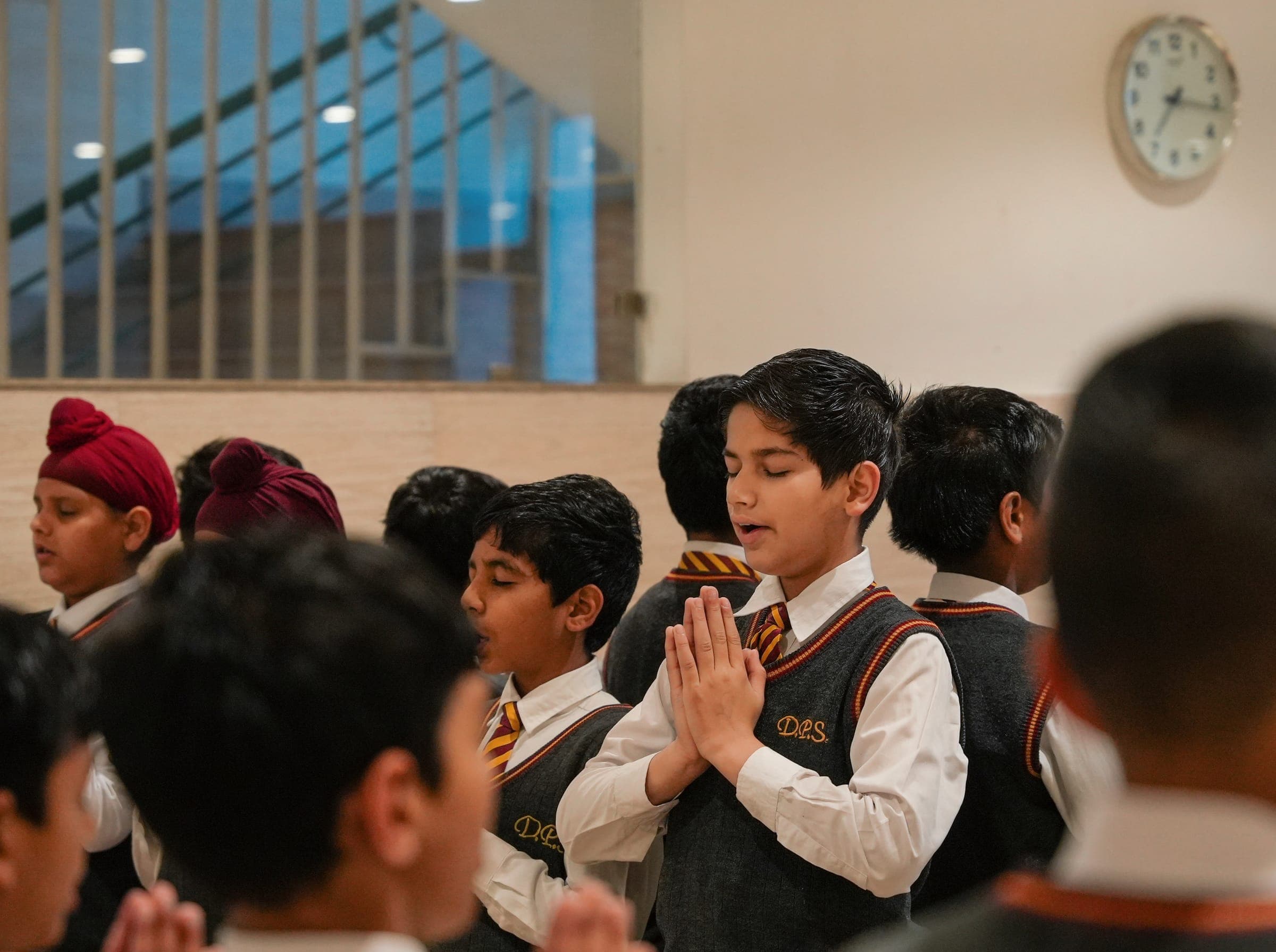
Discipline begins with learning to manage yourself. Waking on time. Getting ready. Looking after personal belongings. Arriving where you need to be, prepared and punctual.
These may seem like small habits. But independence is built through small habits long before it appears in bigger decisions. The morning rhythm teaches children that discipline is not simply following instructions. It is becoming increasingly capable of directing yourself.
Buildsroutine, readiness, punctuality and self-management.
The mind first needs strong foundations.
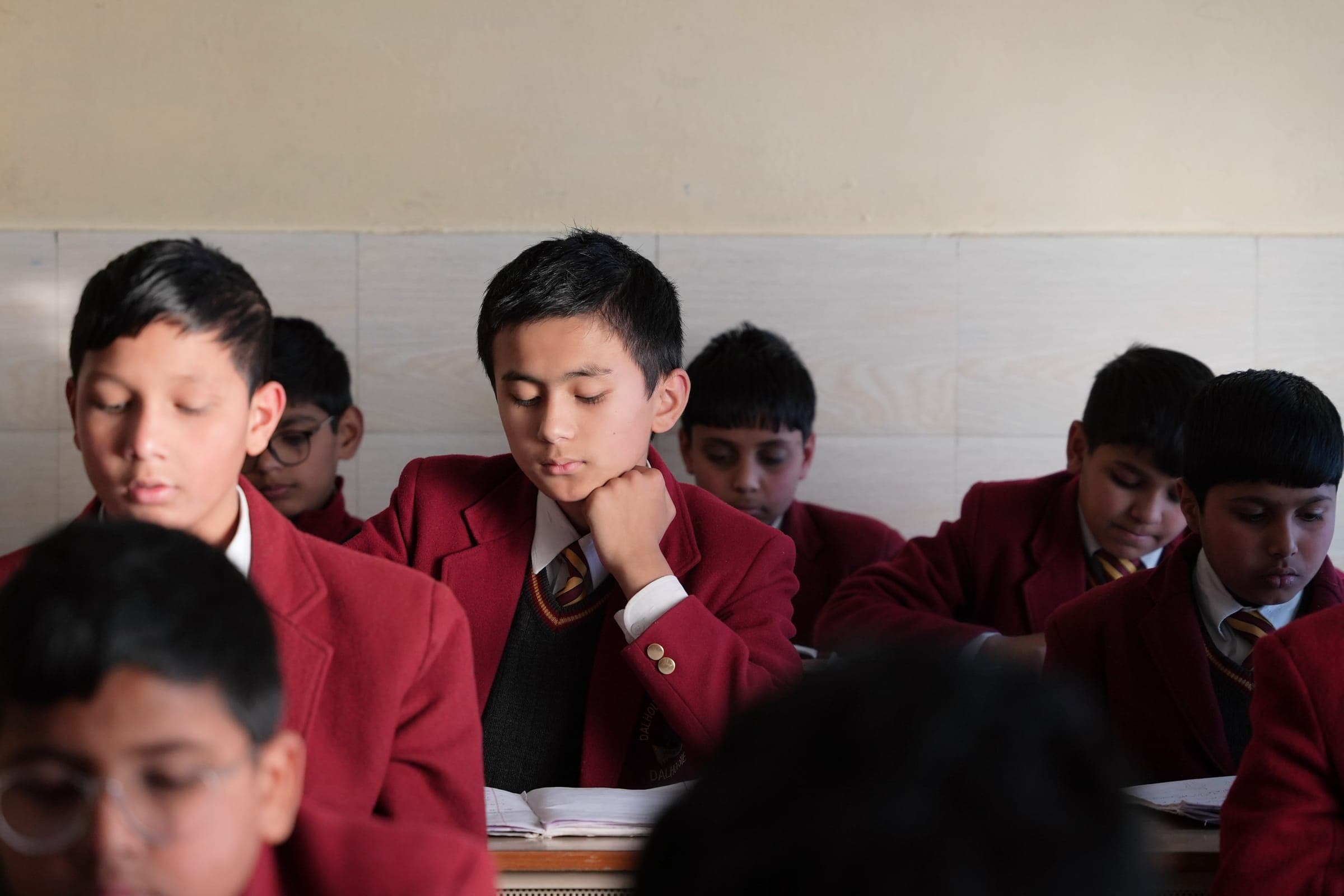
The classroom is where academic foundations take shape. Children build conceptual understanding, subject depth and the confidence to participate rather than simply receive information. They learn to question. To discuss. To connect ideas. To recognise what they understand, and what they still need help with.
Strong preparation for the future begins with strong learning in the present.
Buildsunderstanding, curiosity, attention and academic confidence.
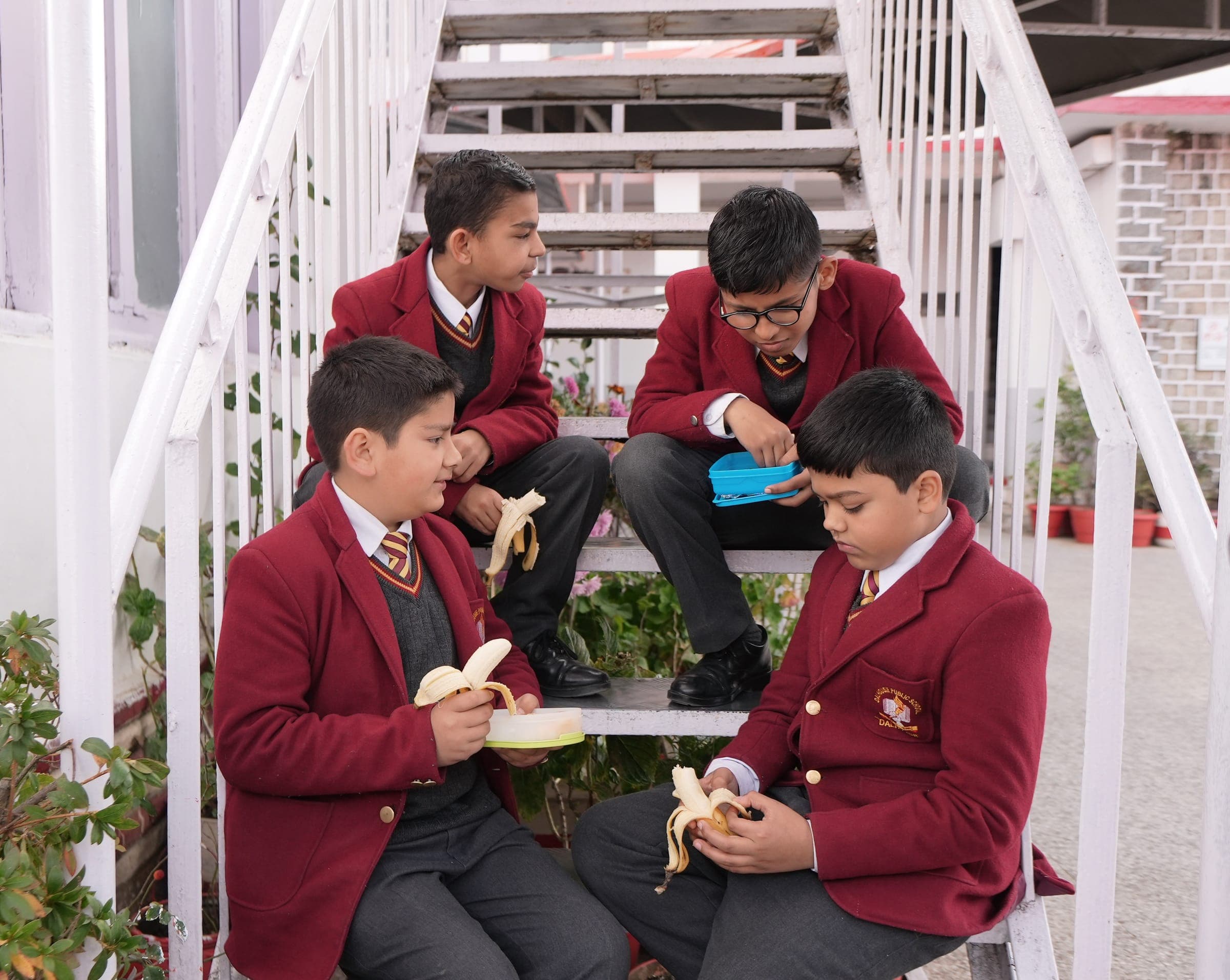
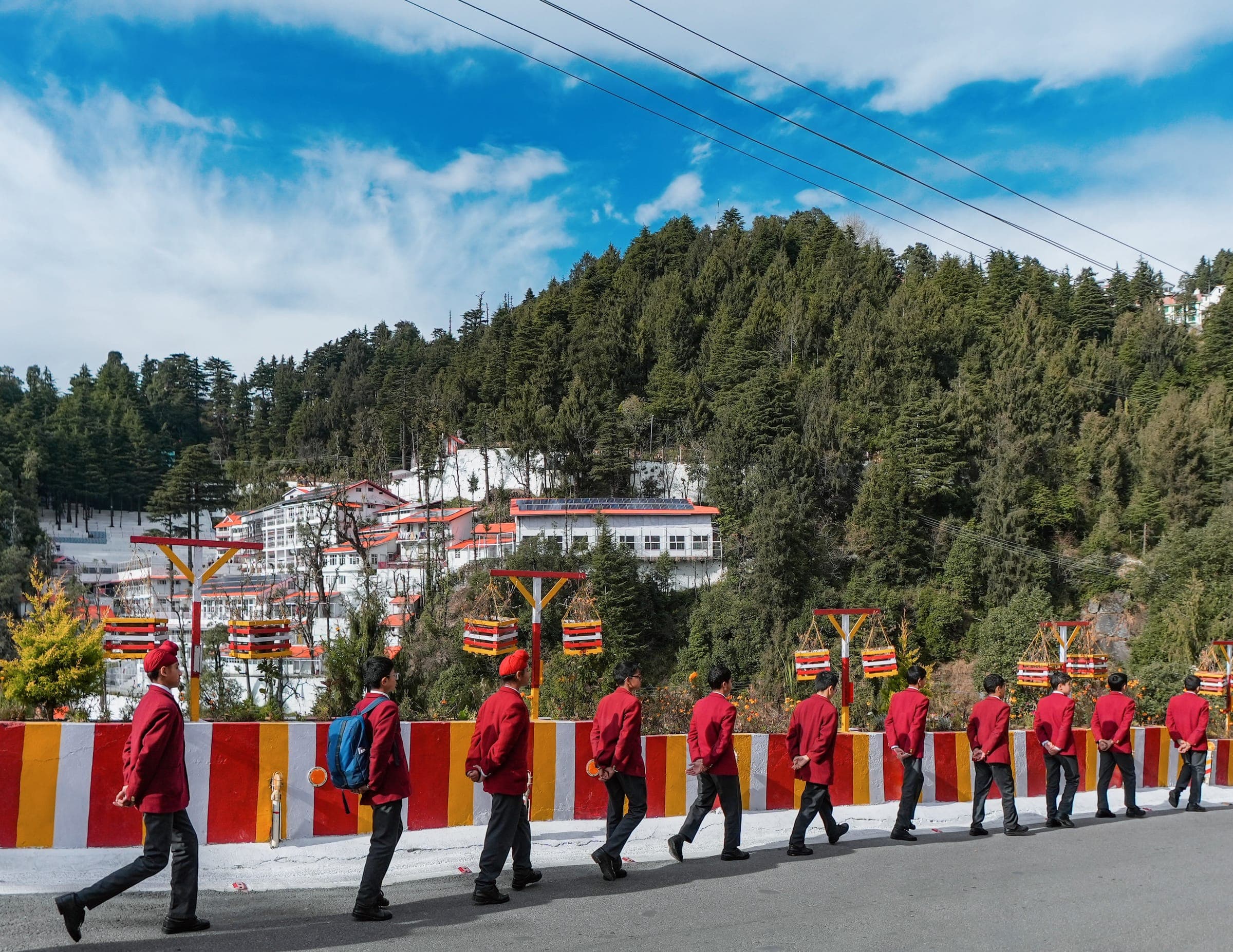
Dalhousie Competitive Edge
When the school day ends only for another academic shift to begin, childhood becomes fragmented. Competitive Edge brings stronger preparation into the child's designed rhythm: concept strengthening, guided practice, diagnostics, testing, doubt support, mentoring and progress tracking.
Preparation remains serious, but it is organised within a system that still leaves room for movement, friendships, confidence, responsibility and rest. Serious preparation. Without the second shift.
The Dalhousie experience
Dalhousie Defence Pathway
Defence preparation is not limited to an examination. The qualities associated with service are developed through repeated behaviours: the discipline to begin on time, the physical strength to keep going, the awareness to understand the world beyond oneself, the confidence to speak clearly, the composure to carry responsibility and the willingness to work as part of a team.
Through the Defence Pathway, students drawn towards defence-oriented futures begin developing Mind. Body. Voice. Bearing. Service. The pathway is distinct, but many of the qualities it develops begin in the everyday rhythm of Dalhousie itself.
Character in motion
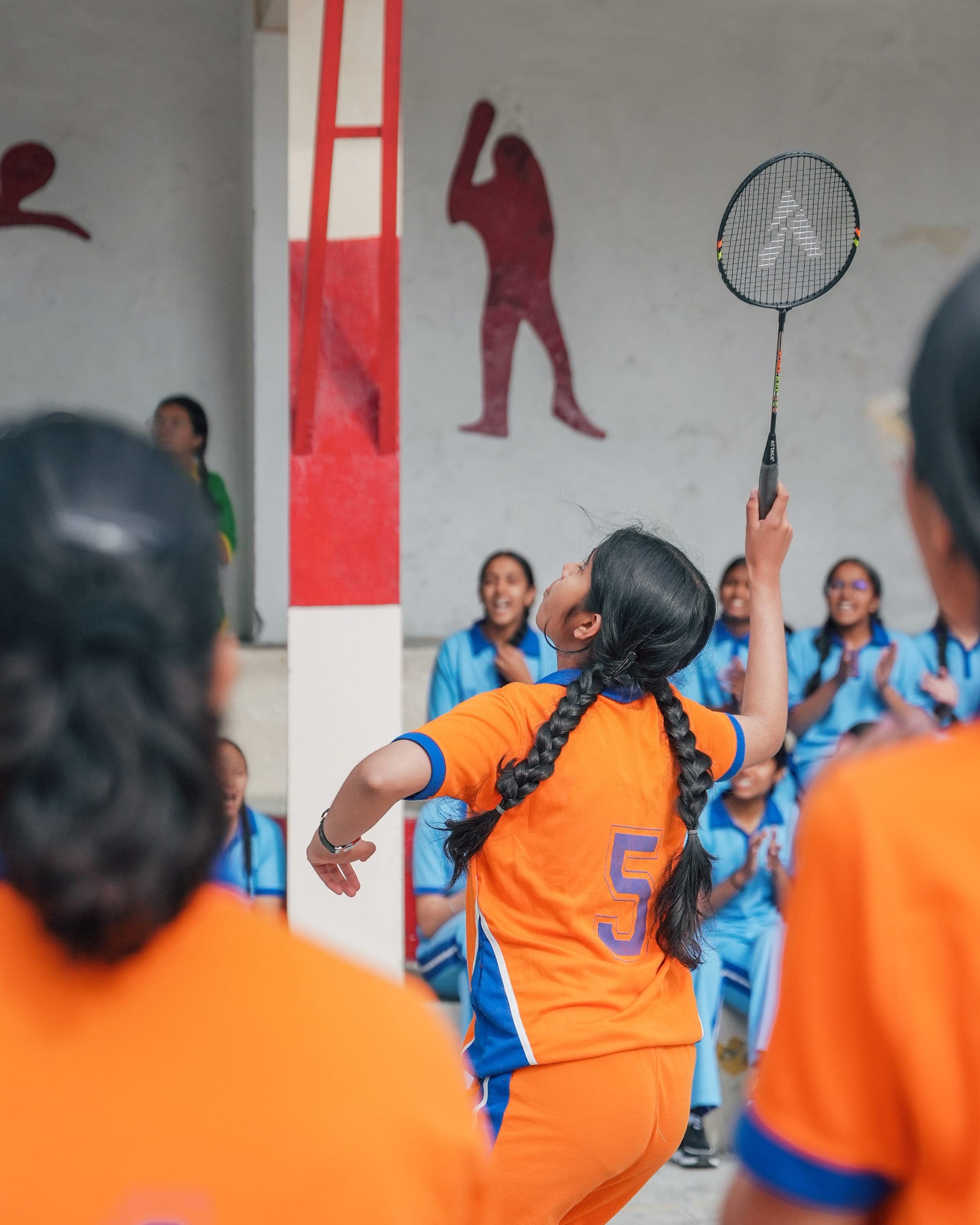
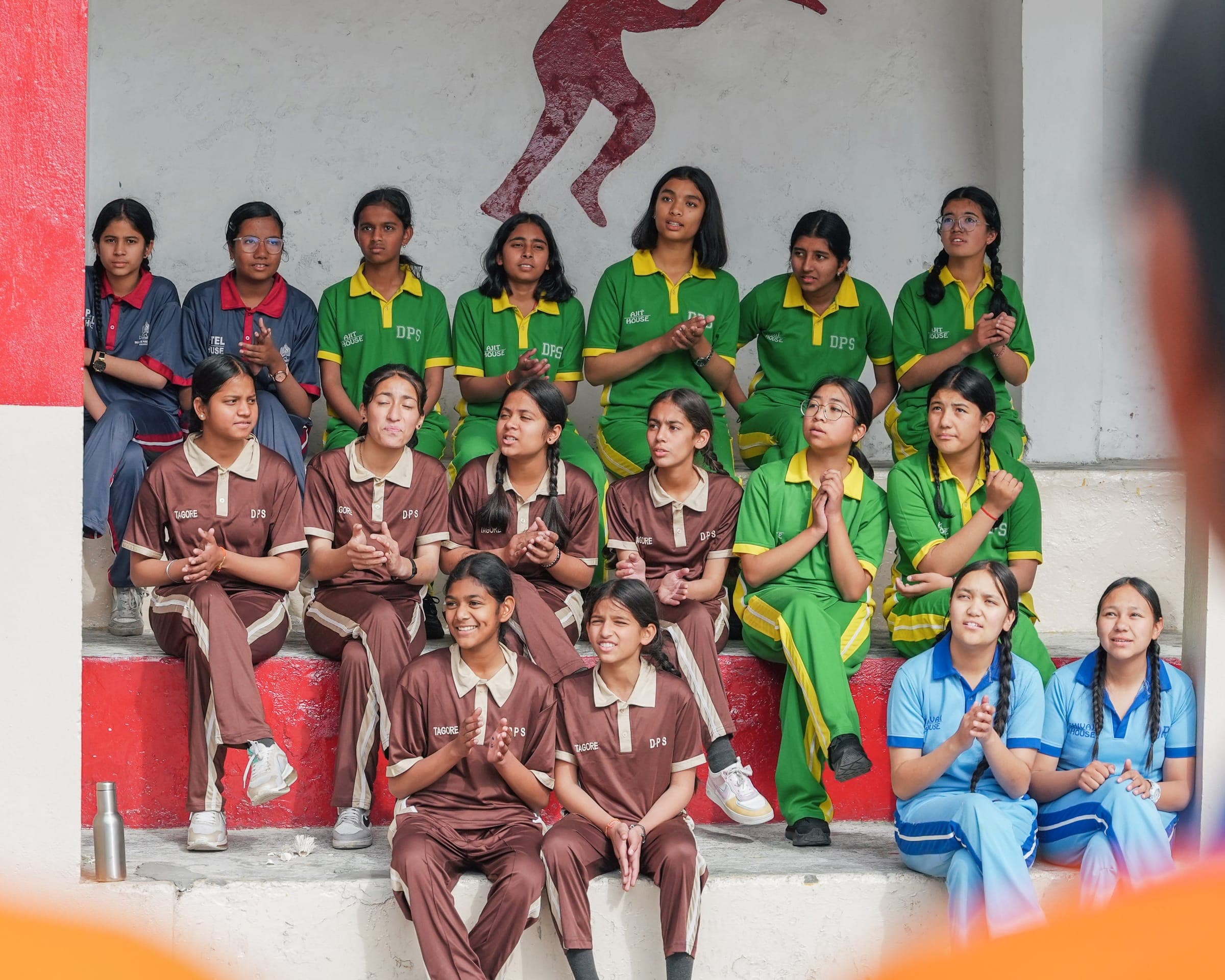
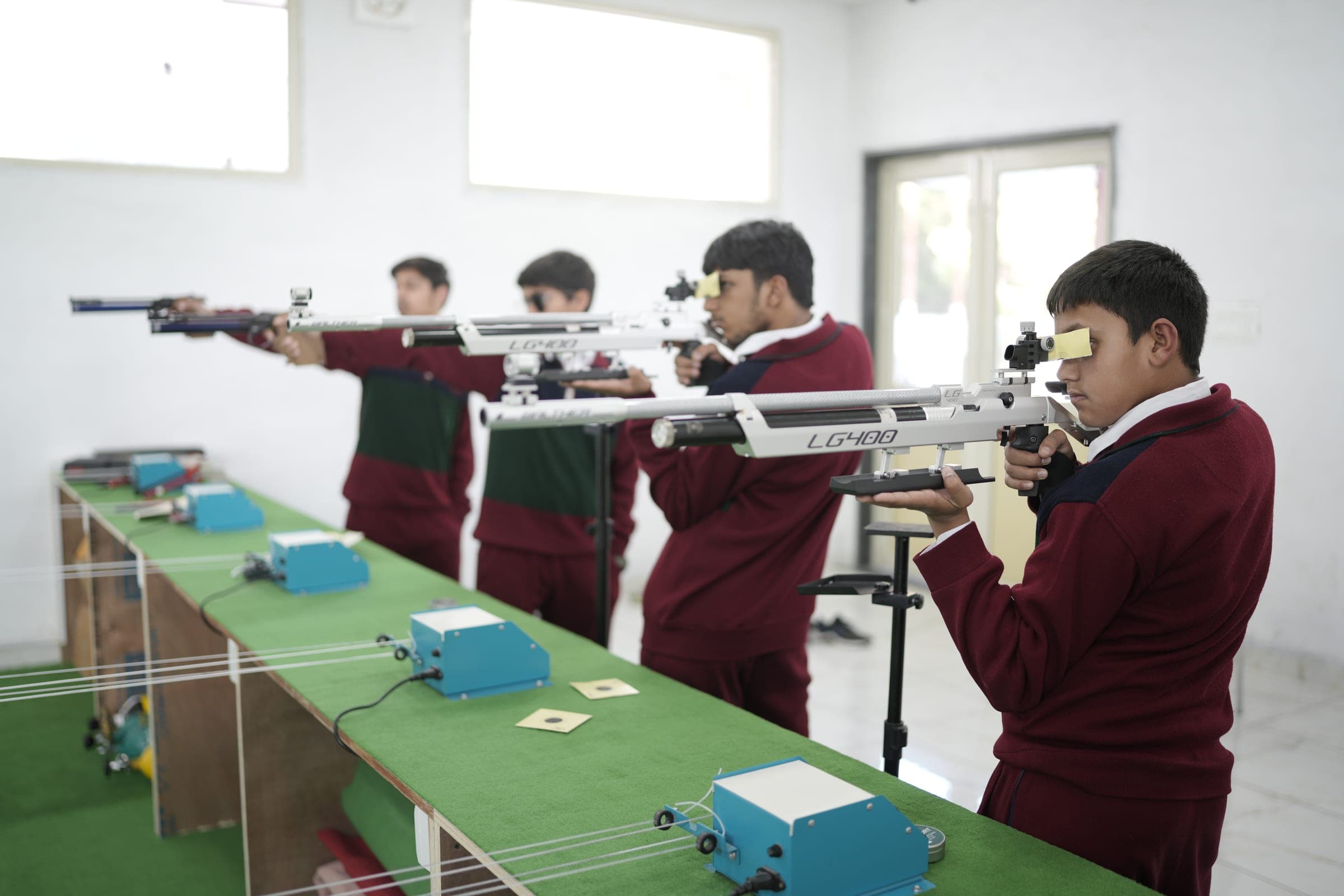
A child learns something different when the body is involved. Training teaches consistency. Competition teaches composure. Team sport teaches dependence on others. A difficult session teaches that discomfort can be temporary. Losing teaches the courage to return. Winning teaches how to carry success.
Through sport, fitness and regular movement, children become stronger, not only physically, but in how they respond to challenge.
Buildsfitness, courage, teamwork and resilience.

Confidence is trained.
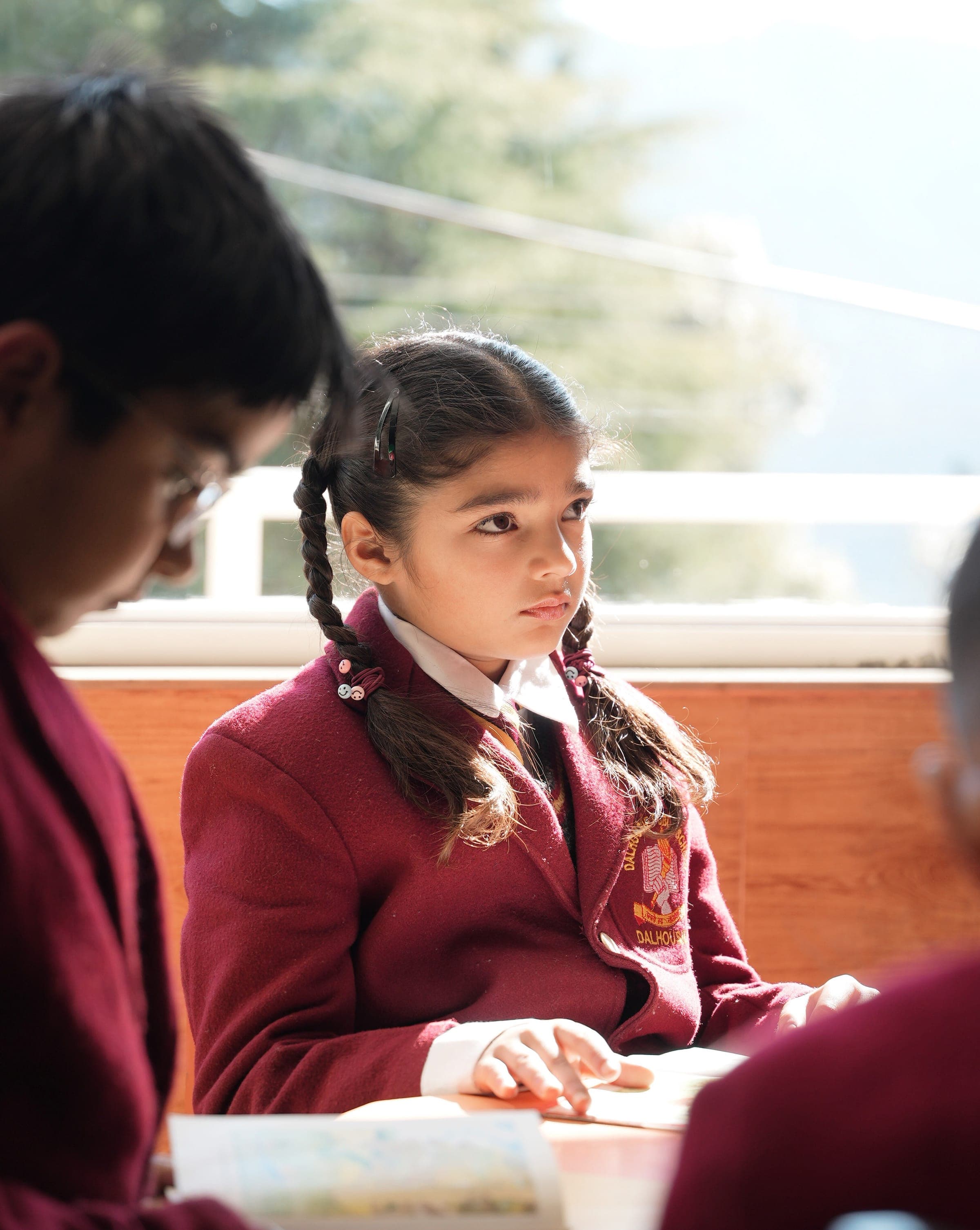
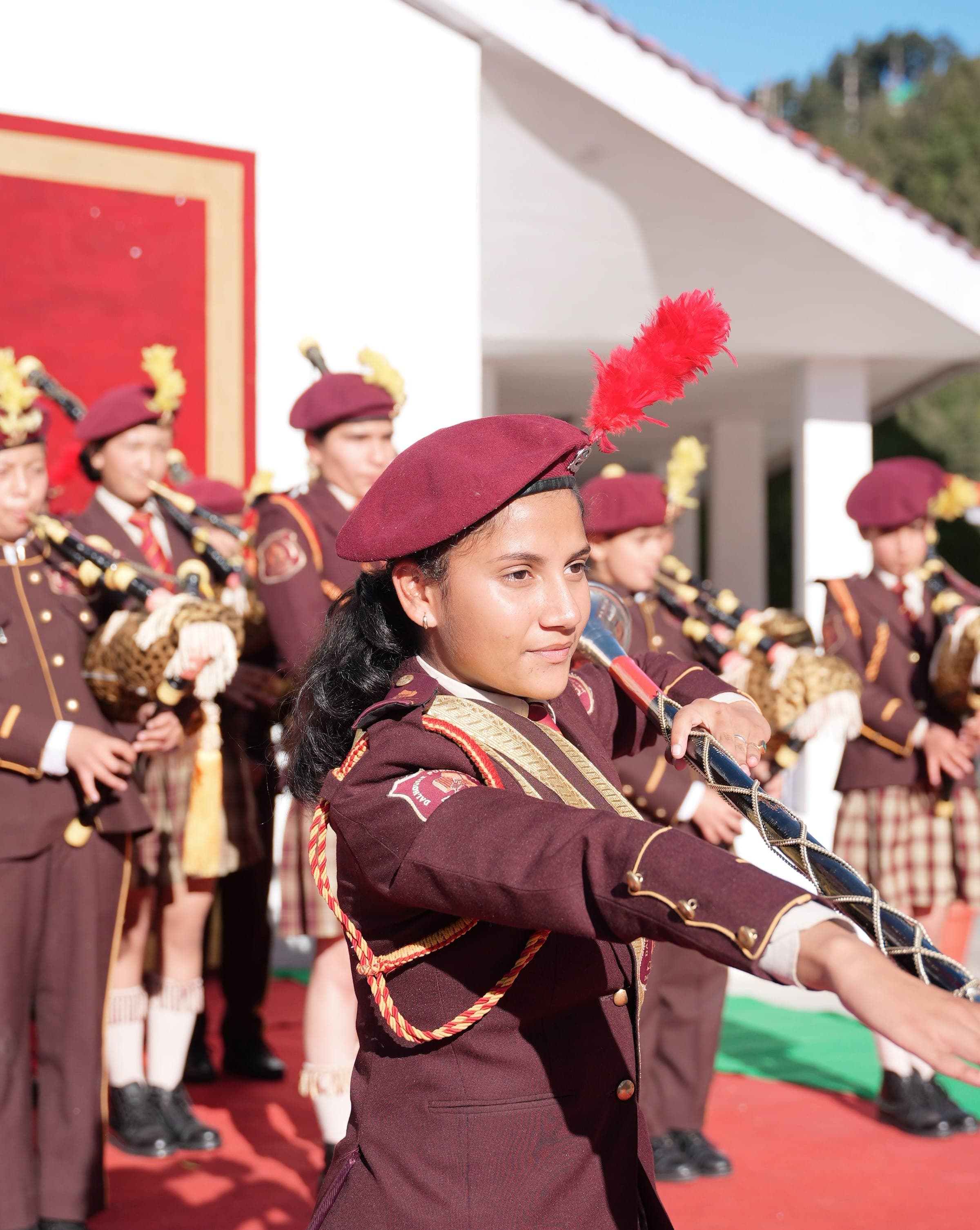
Confidence does not arrive because a child is told to be confident. It grows through practice: standing before others, expressing an idea, answering a question, performing, presenting, listening carefully enough to respond and taking the lead when the moment requires it.
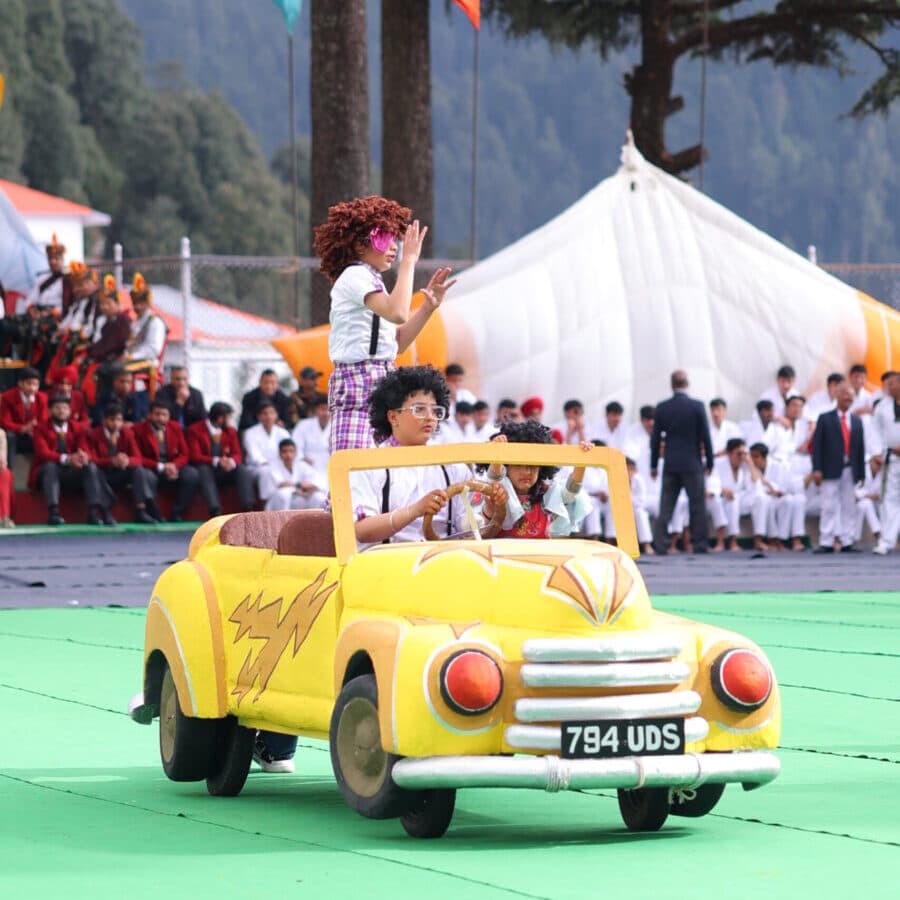
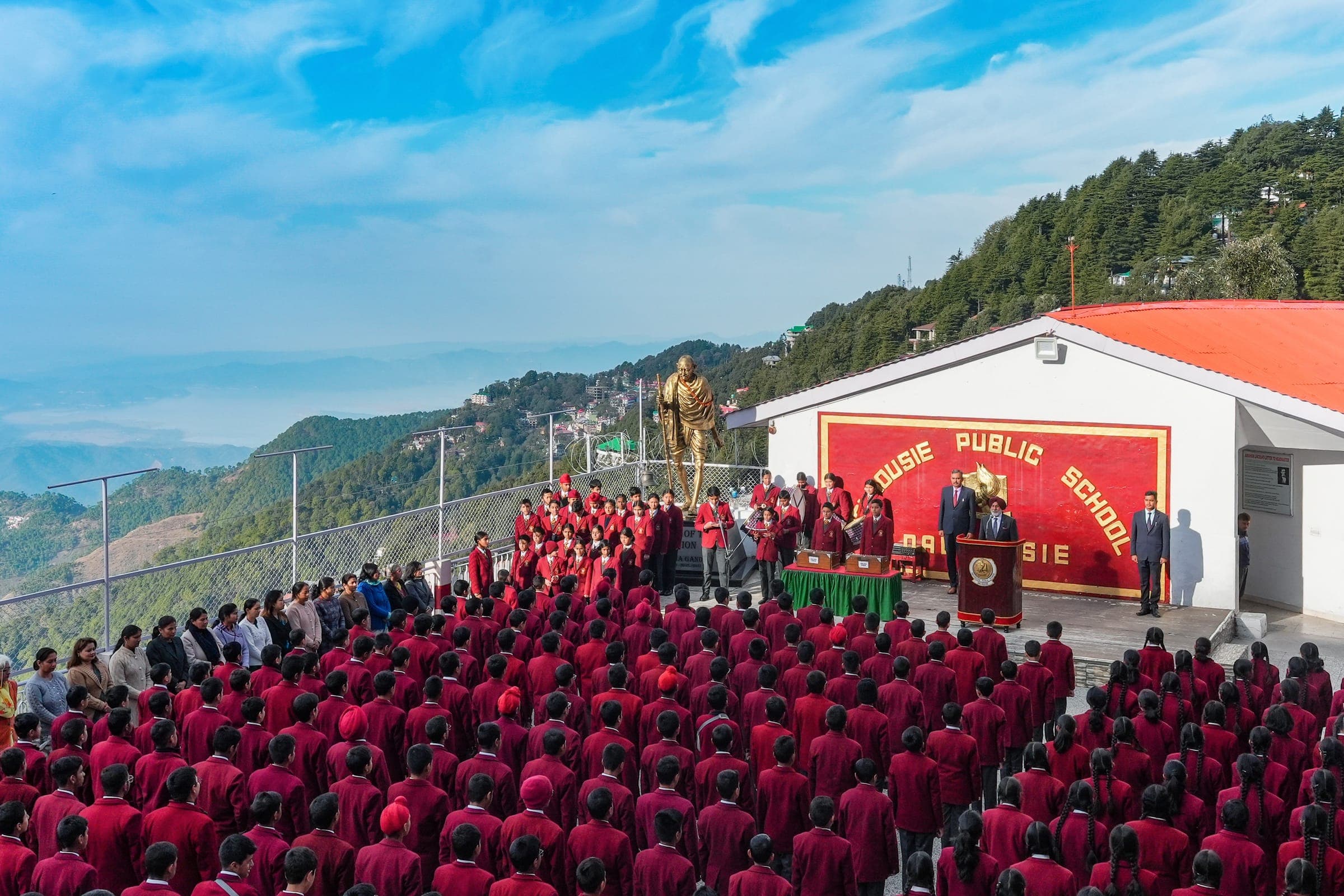
Through assemblies, debates, presentations, performances and everyday participation, children become increasingly comfortable being seen and heard. The aim is not to make every child loud. It is to help every child find their voice.
Buildscommunication, presence, expression and leadership.
Where this leads
You cannot read a rhythm. Come and stand in one, from the morning bell to prep.
Some of life's most important lessons are shared.
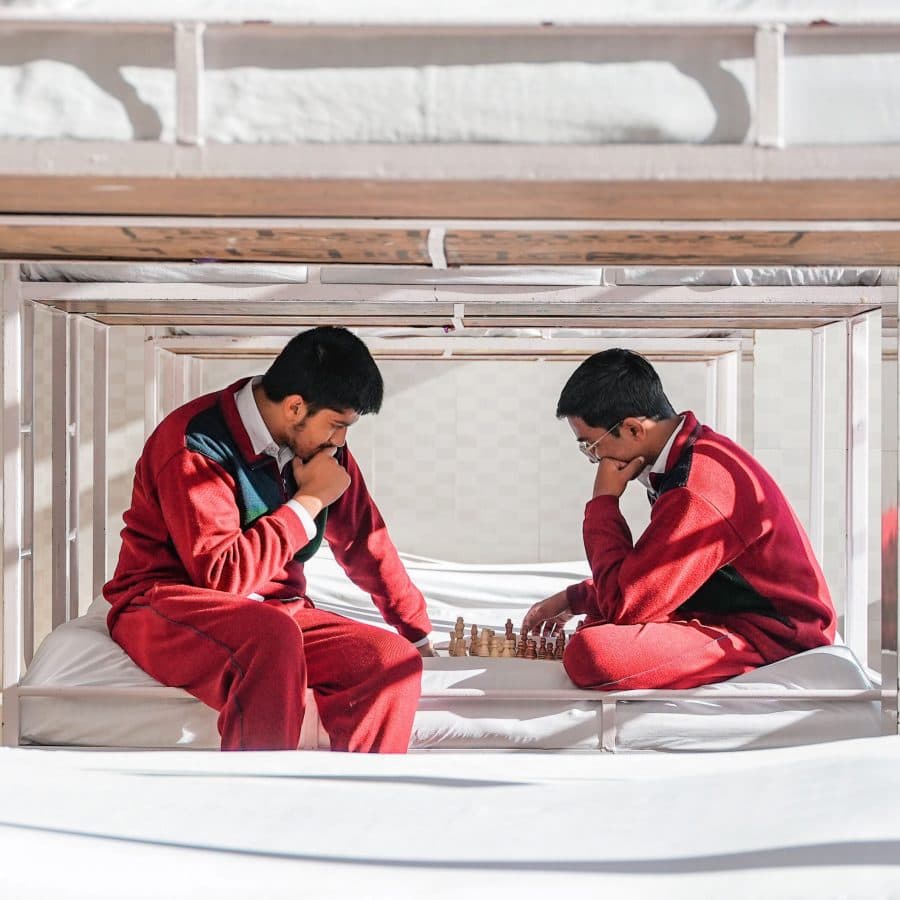
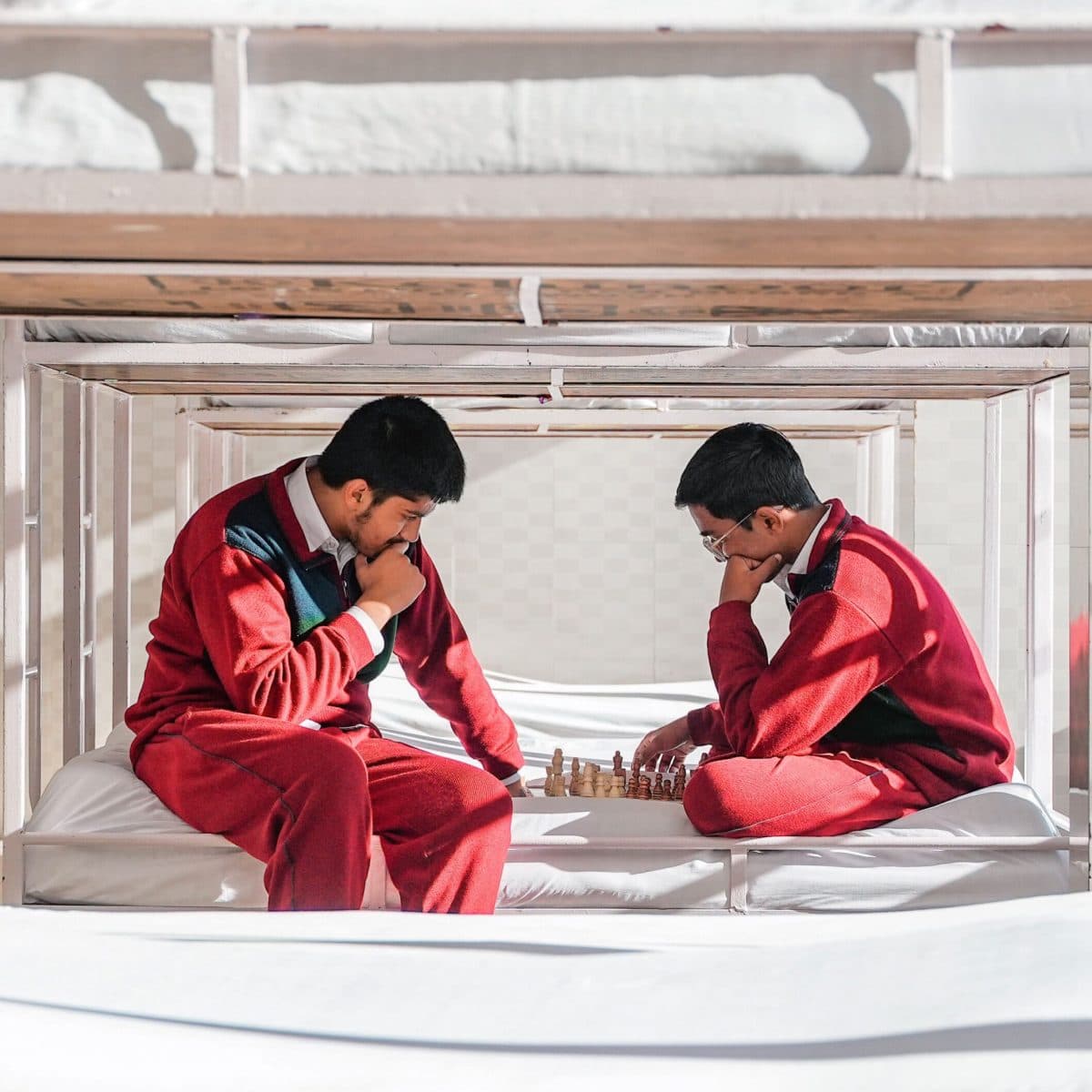
A shared table teaches consideration. A shared room teaches responsibility. A house community teaches that your choices affect more than yourself. Meals, friendships, house activities and everyday responsibilities allow children to practise the behaviours that eventually become manners, maturity and belonging.
They learn when to speak. When to listen. When to help. When to adjust. And how to become part of something larger without losing their individuality.
Buildsbelonging, manners, empathy and shared responsibility.
The Dalhousie experience
From being taught to learning how to learn.
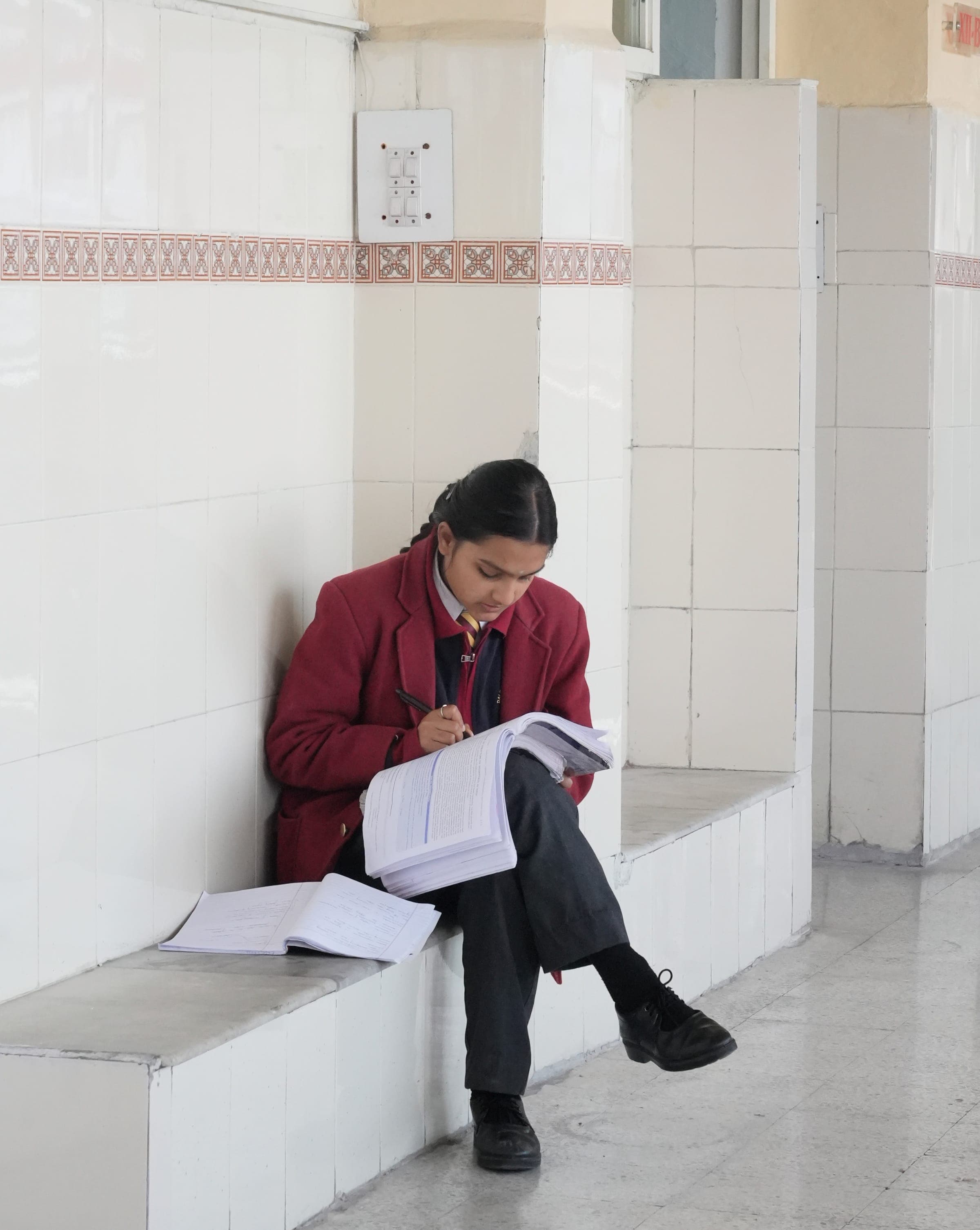
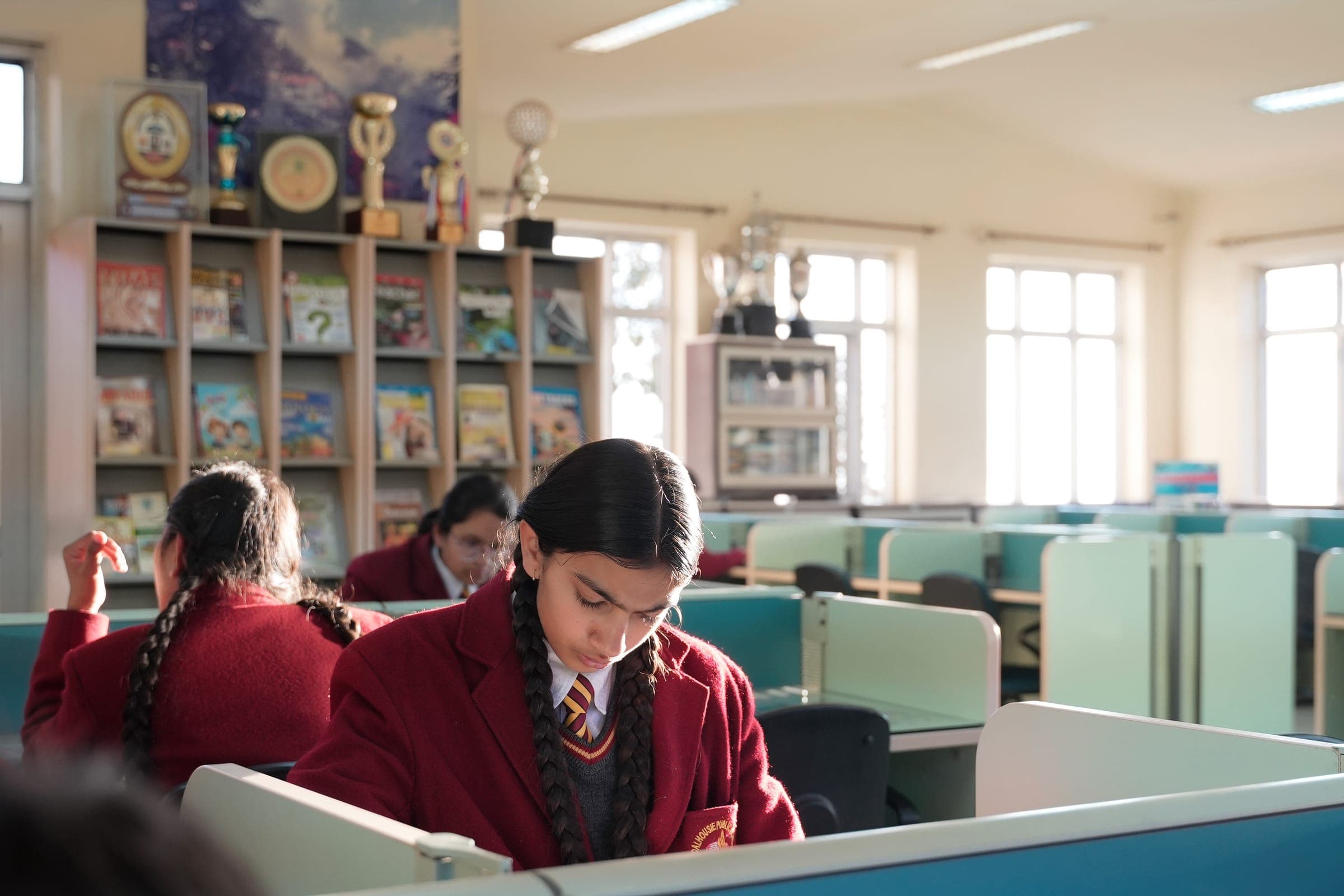
Structured prep gives children the space to revisit what they have learnt, complete work, identify difficulty and organise what comes next. Over time, the role of the adult begins to change: from reminding to guiding, from checking every task to helping the child plan, from solving every problem to helping the child understand how to approach it.
The purpose is not simply to finish homework. It is to build the habits behind increasingly independent learning.
Buildsfocus, organisation, practice and academic independence.
Every child needs someone who sees the larger journey.
Children do not always need another instruction. Sometimes they need a conversation. What is working? Where are you struggling? What needs to change? What are you capable of doing differently tomorrow?
Mentoring creates space between experience and action. It helps children understand their own progress, recognise patterns and become more active participants in their growth. Asking for guidance is not the opposite of independence. It is part of learning how to grow intelligently.
Buildsreflection, direction, self-awareness and trust.
Children need challenge. They also need reassurance.
A well-designed day does not simply ask more of children. It also creates the support that allows them to respond. Teachers, mentors, house parents and pastoral teams remain connected to how children are learning, settling, participating and feeling.
Care may take the form of a conversation. A check-in. Medical attention. Help through a difficult friendship. Guidance during homesickness. Or simply an adult noticing that something is different. The aim is not to remove every difficulty. It is to ensure that children are not left to navigate difficulty alone.
Buildssecurity, emotional strength, trust and supported independence.
A better-designed day knows when to stop.
More is not always better. Children need time to rest, reset and process the experiences of the day. A healthy rhythm recognises that sleep, downtime and emotional space are not interruptions to preparation. They are part of preparation.
The child who learns how to work also needs to learn how to recover, because sustainable achievement is not built through permanent urgency. It is built through rhythm.
Buildsbalance, recovery, perspective and readiness for tomorrow.
Where this leads
The pathways make the intention clear. The day is where it becomes lived experience.
The whole child in motion
A single day can touch many different parts of the child. Morning routine develops discipline. Classroom learning develops the mind. Competitive Edge develops academic readiness. The Defence Pathway develops discipline, awareness, fitness, voice, bearing and service. Sport develops the body and resilience.
Speaking and performance develop confidence. House life develops belonging and responsibility. Prep develops independent habits. Mentoring develops reflection. Care creates security. Rest protects balance. No single moment prepares the whole child. The power lies in how the moments connect.
Two campuses. One belief in a better-designed day.
The Dalhousie Day does not look identical across both campuses. Nor should it. The philosophy remains the same; the experience responds to the environment and the child.
At the Mountain Campus, morning discipline, full residential life, house culture, mountain movement, structured prep and community create an immersive day in which children learn to manage more of life themselves. At the Modern Campus, academics, preparation, sport, communication, confidence and broader development come together in a contemporary rhythm designed to reduce fragmentation across the child's day.
Over time, the small things become the big things.
Waking without being chased becomes self-management. Speaking despite nervousness becomes confidence. Returning after losing becomes resilience. Preparing regularly becomes discipline. Looking after a shared space becomes responsibility. Asking for guidance becomes self-awareness. Making a better decision without an adult beside you becomes independence.
These changes rarely happen in one dramatic moment. They are built quietly. One day at a time.
The Dalhousie Whole Child Report
A designed day should lead to visible development. Marks remain important, but they tell only one part of the story. The Whole Child Report brings together a wider view of progress across academic development, fitness, confidence and voice, responsibility, residential growth, and character and mentor feedback.
So that parents can understand more than what the child scored. They can understand who the child is becoming.
The day, on film
You cannot read a rhythm.
The Dalhousie Day runs from the morning bell to prep. Watch a few parts of it, and the shape of the day explains itself.
4 films

The best way to understand the day is to experience it.
Do not only tour the campus. Watch the rhythm. See how children arrive and begin. Visit a classroom. Observe preparation. Watch sport and movement. Understand how students speak and participate. See house or community life. Meet the adults who guide them.
Ask how the day creates room for both ambition and childhood. Because the Dalhousie Day is not a timetable to read. It is an experience to see.
Come and see it
See the difference for yourself.